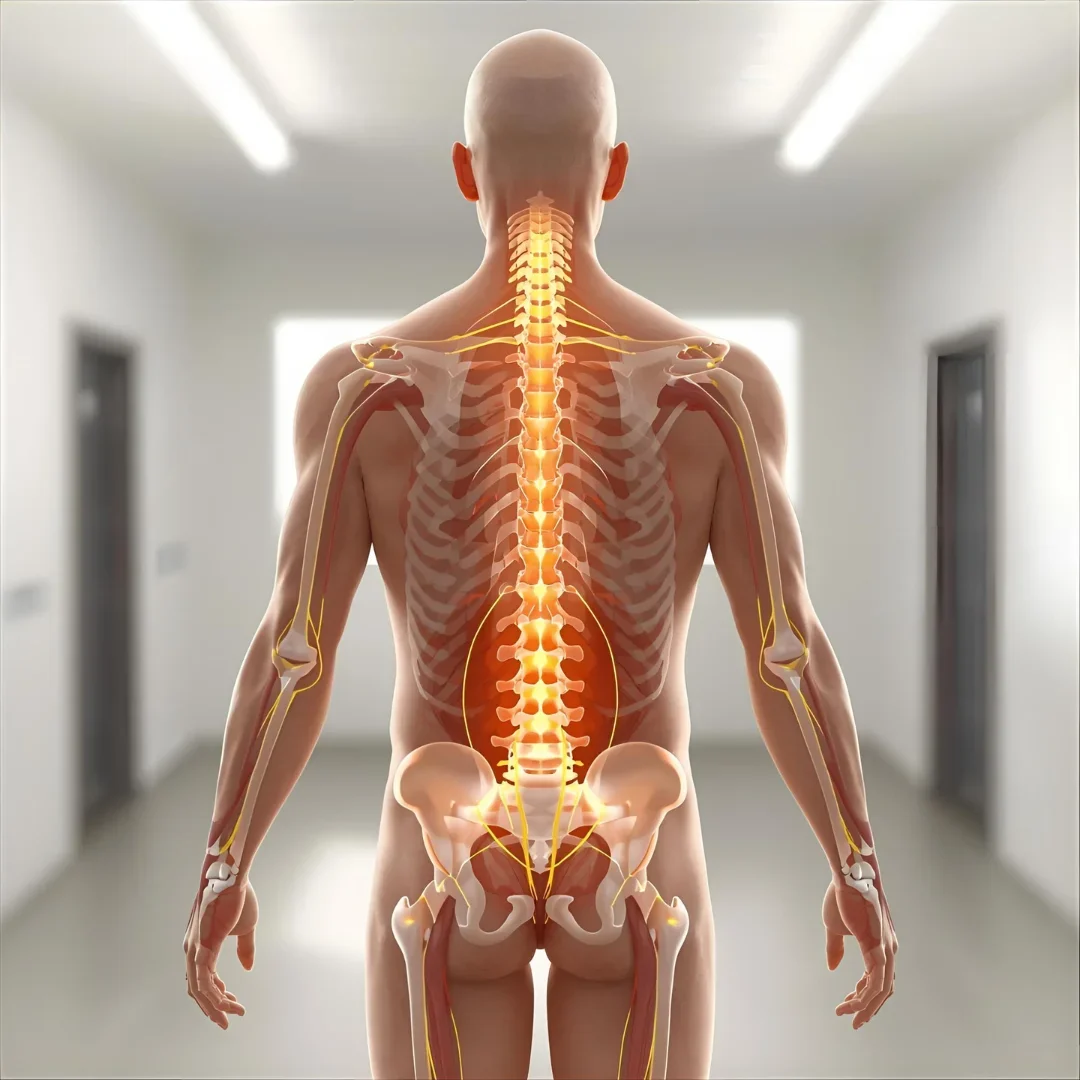
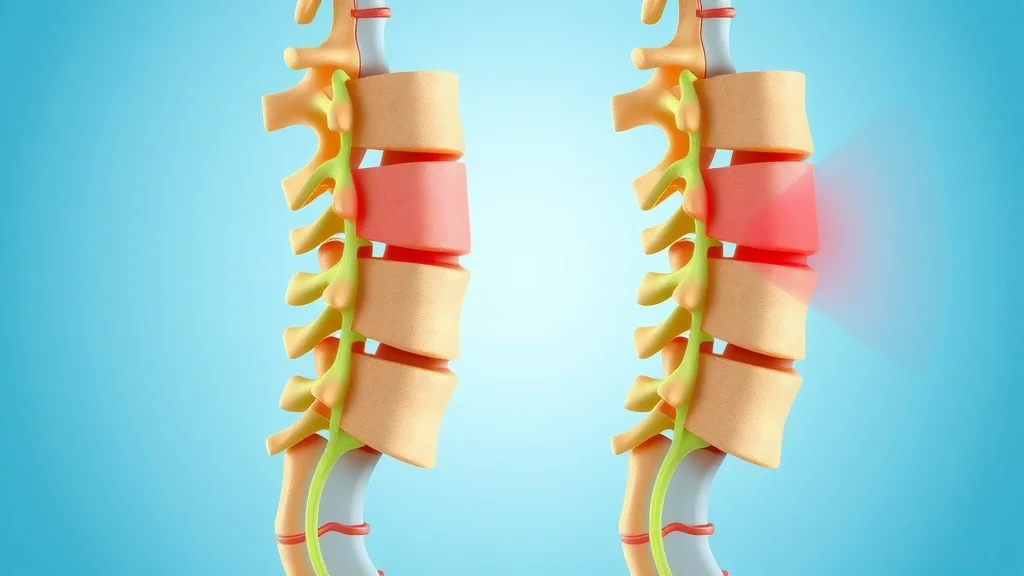
Category: chart of nerves from spine

  • Unlock the Secret of Spinal Subluxation Chart for Relief

    Unlock the Secret of Spinal Subluxation Chart for Relief

    Unlock the Secret of Spinal Subluxation Chart for Relief

    Home /


    Did you know that as many as 90% of people have misalignments in their spine that could silently disrupt their overall health and fuel everyday aches and pains? The spinal subluxation chart is a thought-provoking tool purposefully designed to expose these hidden issues, empowering both practitioners and patients to take actionable steps toward relief. This guide will reveal how the right spinal subluxation chart can demystify discomfort, support your healing touch, and become an essential part of your chiropractic care plan.

    A Surprising Truth: Understanding the Impact of the Spinal Subluxation Chart

    “Did you know nearly 90% of people suffer from misalignments that can impact overall health? The spinal subluxation chart provides an eye-opening perspective for both patients and practitioners.”

    Clean, professional illustration of a spinal subluxation chart displayed in a modern chiropractic office — Focused, confident chiropractor gently pointing at the chart, explaining to a patient, styled as Photorealistic set in a well-lit, welcoming exam room with anatomical models, featuring gentle movement as the practitioner gestures, rendered with excellent depth of field, crisp anatomical textures, high realism, emphasized with a calming blue and white color palette, under soft diffused daylight, captured as if shot with a 50mm lens.

    spinal subluxation chart: The Key to Informed Wellness Decisions

    In many clinics, the spinal subluxation chart acts as a bridge between misunderstood symptoms—like persistent back pain or neck pain—and tailored chiropractic solutions. This chart isn’t just a visual aid; it’s an essential component of modern chiropractic philosophy, purposefully designed to embed clarity into every stage of patient education and treatment. For people suffering from aches and pains, a spinal subluxation chart becomes a star seller tool, grounding all touch chiropractic work in scientific evidence and offering real comfort that recovery can be tracked and achieved. If you’ve ever felt lost in a sea of technical terms or wondered how to identify the underlying causes of your pain, the spinal subluxation chart offers the roadmap you need to take control of your spinal health journey.

    For those interested in a more hands-on approach or seeking clarification about their unique spinal concerns, reaching out directly to a chiropractic professional can provide tailored advice. You can easily send a message to the Keppler Chiropractic team to discuss your symptoms or get guidance on interpreting your chart results.

    What You’ll Learn in This Comprehensive Guide

    What Is a Spinal Subluxation Chart?

    Defining spinal subluxation chart in Modern Chiropractic Practice

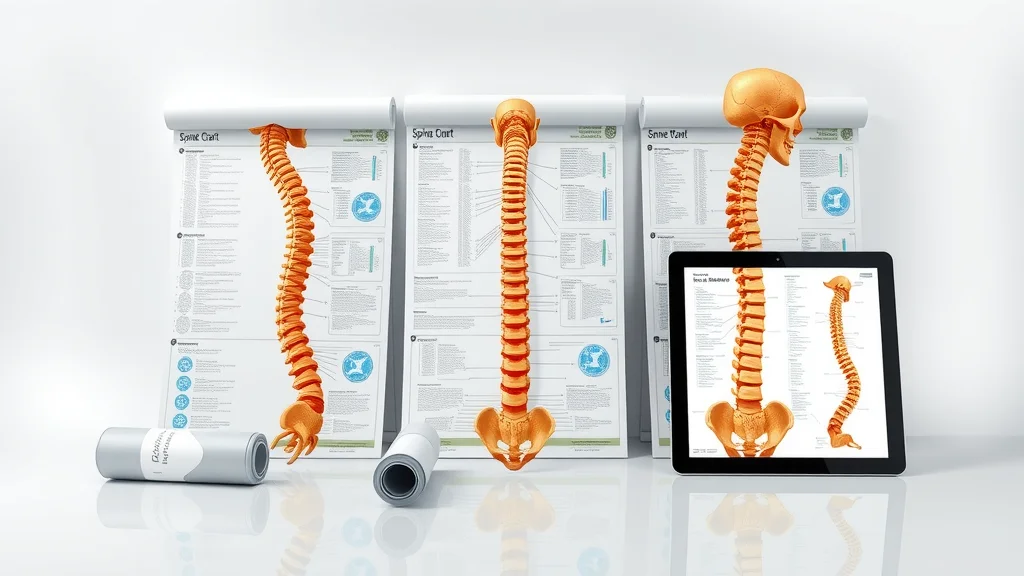
    A spinal subluxation chart is more than just a patient education poster; it’s a provoking tool that translates complex anatomy into actionable visuals. In a field where every adjustment aims to relieve misaligned spine issues and integrate healing touch, this chart is indispensable. It clearly outlines vertebral regions, nerves, and corresponding symptoms, making it easy for both practitioners and patients to recognize patterns of aches and pains that might otherwise go overlooked. Unlike generic canvases or basic anatomy posters, premium canvas wraps of the spinal subluxation chart are designed to embed up-to-date knowledge and inspire confidence in the chiropractic process, whether in a bustling Midtown Sacramento clinic or your own living room.
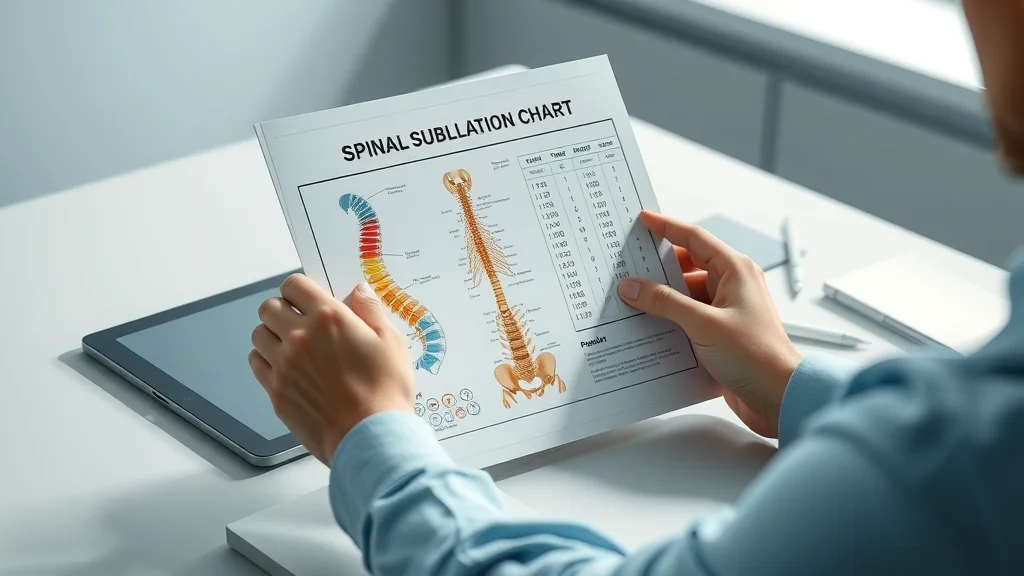
    Modern, detailed 3D rendering of a spinal subluxation chart — No visible faces, only hands studying the chart, styled as Photorealistic set on a sleek desk with a digital tablet and notepad in the background, featuring soft shadows and a slight reflection, rendered with high texture clarity, ultra-realism, emphasized with a soothing neutral and blue-tinted palette, under daylight LED lighting, captured as if shot with a macro lens for sharp close-up.

    Competitor Designs: Comparing Spinal Subluxation Chart Features

    Not all charts are created equal. Today’s best charts offer premium canvas wrap formats, integration with digital tools, and razor-sharp anatomical details. Some are even shipped by mychiropractice and feature enclosed backs for extra durability, while others may opt for clear, minimalist designs preferred for patient privacy. Comparing star seller options ensures you choose a chart that supports both clinical and home use, addresses privacy policy standards, and aligns with similar technologies policy. Below, see how top products stack up on design, quality, and price.


    Popular Spinal Subluxation Chart Models Compared

    Model

    Format

    Benefits

    Price Range

    Best For

    Premium Canvas Wrap – Healing Touch Chiropractic Edition

    24×36″ Inch Thick Canvas

    Extra clarity, star seller, enclosed backs, shipped by mychiropractice

    $95 – $120

    Clinics, patient education posters

    Digital Chart – Personalized Advertising Suite

    Interactive App & Printable PDF

    Customized, integrates with cookies and similar technologies, ideal for privacy policy requirements

    $45 – $60/year license

    Practitioner use, telehealth

    Poster Print – Classic Midtown Sacramento Series

    18×24″ Paper Poster

    Affordable, lightweight, clear spinal decompression zones

    $29 – $49

    Home use or student learning

    Core Benefits of Using a Spinal Subluxation Chart for Relief

    • Visualizes the source of discomfort

    • Supports accurate diagnosis

    • Enhances practitioner-patient communication

    • Guides personalized treatment

    Inviting, diverse group of patients and a chiropractor gathered around a spinal subluxation chart — Smiling expressions, attentive listening, styled as Photorealistic set in a community wellness clinic with comfortable seating, featuring subtle interaction between characters, rendered with soft focus, natural skin tones, and detailed fabrics, realistic depth, emphasized with a warm, welcoming color palette, under gentle natural window light, captured as if shot with a 35mm lens.

    How the spinal subluxation chart Empowers Personalized Advertising and Care

    A thoughtfully chosen spinal subluxation chart serves as both an informative and a personalized advertising tool. Modern practices and healing touch chiropractic clinics increasingly rely on charts that merge digital integration, privacy policy compliance, and cookies and similar technologies to track patient progress and customize education. For practitioners, adopting products like premium canvas wraps or digital apps boosts engagement and allows for the delivery of star seller-level care, differentiating the practice while benefiting the patient community. For at-home users, interactive versions paired with clear, concise directions offer the comfort and guidance once reserved for clinic visits, making relief more accessible than ever.

    Step-by-Step: How to Read and Interpret a Spinal Subluxation Chart

    1. Locate the affected spinal region

    2. Identify associated symptoms

    3. Understand severity and implications (including grade 1 subluxation)

    Vivid, step-by-step infographic sequence of reading a spinal subluxation chart — No human faces, showing close-up of hands tracing lines on the chart, styled as Photorealistic set against a neutral flat-lay background with marking pens and sticky notes, featuring subtle motion blur on hand movement, rendered with crisp outlines, tactile paper textures, hyper-realistic details, emphasized with an energizing teal and green color scheme, under bright, balanced studio lighting, captured as if shot with a 70mm lens.

    To get the most out of a spinal subluxation chart, begin by studying each spinal section closely—look for any regions the chart marks as “grade 1 subluxation” or areas closely linked to your symptoms. Next, use the symptom index to identify links between back pain or neck pain and affected vertebrae, making this a thought-provoking tool for self-assessment. Finally, read doctor instructions and utilize any digital features, which can prompt additional diagnostic questions and help document progress during your healing touch chiropractic sessions.

    Expert Opinions: Why Chiropractors Rely on the Spinal Subluxation Chart

    “A spinal subluxation chart does more than inform; it transforms patient outcomes by personalizing care strategies.” – Dr. James Keppler, DC

    Seasoned chiropractors from clinics such as Keppler  Chiropractic routinely emphasize the role of star seller charts—especially those designed to embed with similar technologies policy for enhanced personalized advertising—when crafting care strategies. These charts are included in the product options offered by advanced practices, and their presence in both physical and digital formats is now a staple among providers devoted to best-in-class privacy policy standards and optimal patient experience. They streamline the consult process, support efficient spinal decompression, and raise the bar for patient satisfaction, making them a must-have in any modern clinic.

    People Also Ask: Answers About Spinal Subluxation Chart and Relief

    What does spinal subluxation feel like?

    A spinal subluxation can present as localized stiffness, subtle soreness, or even sharp back pain that feels persistent and frustrating. Many patients experience restricted movement and discomfort radiating into their neck or lower back, while others report a dull ache that won’t go away, commonly addressed in healing touch chiropractic practice. In addition, mild numbness, pins-and-needles sensations, or unexplained fatigue may be present. Symptoms often worsen with certain movements, and, if not addressed, can escalate and contribute to ongoing aches and pains.

    How do you fix subluxation of the spine?

    The primary treatment for a misaligned spine typically involves chiropractic care, which is often personalized based on the findings from your spinal subluxation chart. Chiropractors use controlled spinal adjustments, gentle mobilization, and sometimes spinal decompression techniques to realign affected vertebrae and reduce nerve irritation. Supportive steps like targeted exercises and proper ergonomics are included in the product of most treatment plans. Early intervention ensures the best results and may prevent sores or chronic neck pain from developing into more serious spinal issues.

    What are the symptoms of a subluxation of the spine?

    Common symptoms include chronic or sharp back pain, frequent neck pain, limited flexibility, recurring headaches, and even digestive issues—symptoms made clearer thanks to your spinal subluxation chart. You might notice fatigue, numbness, tingling, or muscle weakness, all of which indicate nerve interference and are typically charted for clarity during chiropractic care sessions. If you recognize these symptoms, consulting a practitioner and reviewing your chart promptly is vital for proper healing touch.

    What is a grade 1 subluxation?

    A grade 1 subluxation is the mildest form of vertebral misalignment, best illustrated on modern premium canvas wraps and digital charts. It typically means slightly misaligned vertebrae without severe displacement or noticeable neurological impact, yet still enough to explain subtle back pain, stiffness, or decreased mobility. Early identification on your spinal subluxation chart means that gentle touch chiropractic adjustments can restore normal alignment before more advanced symptoms arise.
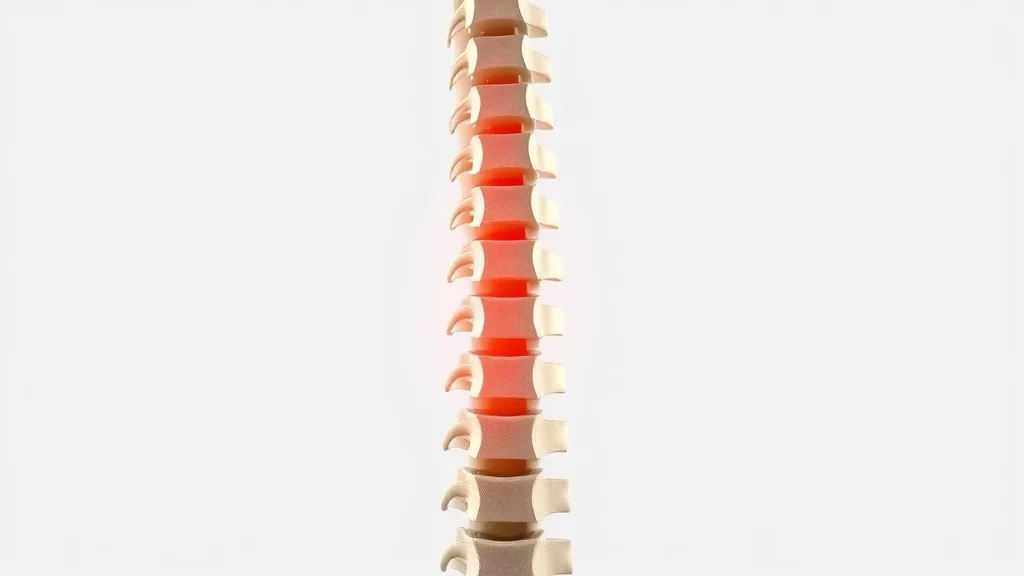
    Minimalist, anatomical medical illustration of the spine with highlighted regions indicating grade 1 subluxation — Neutral, informative, styled as Photorealistic set over a clean, white background with soft shading on vertebrae, featuring faint color overlays to indicate pain, rendered with high anatomical accuracy, fine detail textures, realistic gradients, emphasized with balanced neutral colors and subtle red/yellow accents, under soft clinical lighting, captured as if shot with a medical illustration camera.

    Choosing the Optimal Spinal Subluxation Chart for Your Practice or Home

    • Durability and clarity of design

    • Clinical vs. personal use

    • Integration with digital health tools

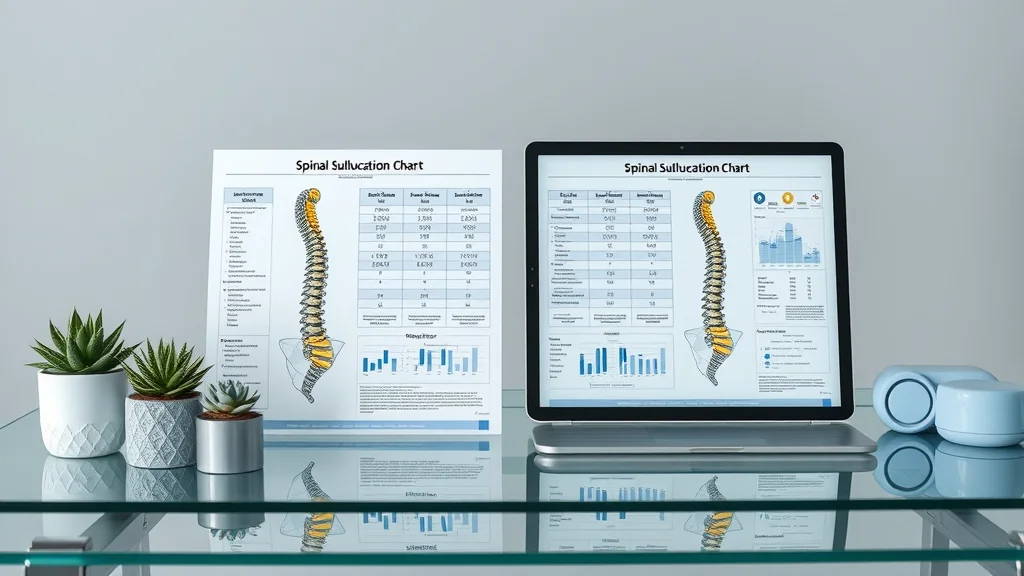
    Contemporary, side-by-side display of physical and digital spinal subluxation charts — Tech-forward, analytical, styled as Photorealistic set on a clear glass desk with a tablet and printed chart, featuring small decorative plants and soft tech accessories, rendered with sharp edges, smooth glass and device reflections, ultra high-resolution, emphasized with a cool gray and blue color scheme, under even natural daylight, captured as if shot with a 24mm lens for a wide perspective.

    When choosing a spinal subluxation chart, assess if the model is a premium canvas wrap designed for ongoing clinical use or a portable printout ideal for quick reference at home. Look for inch thick charts with enclosed backs for easy hanging in a busy healing touch chiropractic environment, or digital versions that sync with cookies and similar technologies for streamlined patient data entry. Consider privacy policy standards, easy-to-read labels, and purposefully designed graphs that support efficient practitioner-patient collaboration, especially in practices known for personalized advertising and patient education posters. Star seller products often provide free updates and integration with similar technologies policy to enhance your long-term return on investment.

    Step-by-Step Video Guide: Utilizing the Spinal Subluxation Chart

    Watch as a professional chiropractor demonstrates how to use a real spinal subluxation chart on a patient model. This clear, step-by-step walkthrough explains reading the chart, understanding grade 1 subluxations, and making adjustments that target both back pain and neck pain. See the healing touch and precise assessment that sets star seller clinics apart, and get practical tips for bringing this resource home.

    Video: Real-World Reviews of Spinal Subluxation Chart Products

    Hear directly from patients and practitioners about their experience with various spinal subluxation chart models, from premium canvas wraps with healing touch chiropractic branding to high-tech digital posters. Learn why star seller charts, enclosed backs, and personalized advertising integration make certain products a standout for daily clinical and home use.

    FAQs: Everything Else You Need to Know About the Spinal Subluxation Chart

    • What is the difference between a generic and a personalized spinal subluxation chart?
      A personalized chart features detailed annotations for your body’s specific symptoms and progress—often digital and adaptable. A generic model is more general, suited for quick reference or basic patient education.

    • Can these charts be used at home?
      Yes! Many star seller charts, including premium canvas wraps and digital downloads, are designed for both clinical and home use, helping you feel free to track your healing touch progress or self-monitor new aches and pains as they arise.

    • Are digital spinal subluxation charts available?
      Absolutely. Digital charts offer integration with privacy policy and similar technologies policy tools for streamlined record-keeping and personalized advertising, making them a popular choice for modern patients and practitioners.

    Key Takeaways: Why a Spinal Subluxation Chart is Essential for Relief

    • A spinal subluxation chart enhances clarity, care, and outcome

    • Facilitates practitioner-patient understanding

    • Supports efficient, targeted spinal relief strategies

    Ready for Relief? Explore the Best Spinal Subluxation Chart Options

    Unlock advanced healing touch and chart a course toward a pain-free future. Choose a spinal subluxation chart that fits your needs—whether you’re a practitioner upgrading your clinic, a patient seeking clarity, or someone eager to take a proactive approach to back pain and neck pain relief.

    If you’re inspired to take the next step in your wellness journey, remember that personalized support can make all the difference. Whether you have specific questions about your symptoms, want to understand your chart in greater detail, or are ready to connect with a chiropractic expert, the team at Keppler Chiropractic is here to help. Discover how direct communication with a knowledgeable practitioner can accelerate your path to relief and empower you with actionable insights. For a more strategic approach to your spinal health, reach out to Keppler Chiropractic and experience the benefits of expert guidance tailored to your unique needs.

    Feel Something Wrong With Your Bones?

    At Keppler Chiropractic, we ensure top-notch agency services, with a focus on delivering a five-star customer experience. We deeply value excellent customer service and actively listening to your needs.

    Information

    Phone

    916) 422-5111

    Email

    doc4back@
    kepplerchiropractic.com

    Address

    5667 Freeport Blvd Sacramento, CA 95822, USA

  • Unlock the Secrets of Spine Chart with Nerves for Better Health

    Unlock the Secrets of Spine Chart with Nerves for Better Health

    Unlock the Secrets of Spine Chart with Nerves for Better Health

    Home /


    Did you know that nearly 80% of adults will experience back pain related to nerve issues at some point in their lives? Recognizing how a spine chart with nerves can illuminate the causes is a game-changer for proactive health. This single fact highlights just how essential a clear understanding of your spinal nerves—and how they’re mapped across your nervous system—is for maintaining your well-being. Whether you’re a student, patient, or healthcare provider, unlocking the secrets of a spine chart with nerves opens a new path to better diagnosis, injury prevention, and empowerment in managing your own health.

    A Surprising Truth: Why Understanding the Spine Chart with Nerves is Essential for Your Well-Being

    It’s easy to overlook the incredible power and complexity of your spinal nerve anatomy. But did you know the entire nervous system relies on split-second communication through intricate networks of nerve roots branching from your spine? A detailed spine chart with nerves can reveal hidden connections behind everyday aches, pains, or weakness—from the lower back to tension headaches. By understanding this chart, you gain insight not only into specific conditions but also into total-body wellness.

    “Did you know that nearly 80% of adults will experience back pain related to nerve issues at some point in their lives? Recognizing how a spine chart with nerves can illuminate the causes is a game-changer for proactive health.”

    This knowledge goes beyond academic curiosity. It empowers both patients and practitioners to make informed decisions, bridging the gap between symptom and solution. With proactive use of a spine chart with nerves, you’re better equipped to prevent injury, understand nerve-related disorders, and apply efficient strategies for daily health—a foundation for a lifetime of movement and vitality.

    For those interested in how this knowledge translates into real-world care, exploring the ways a chiropractor can interpret and act on findings from a spine chart with nerves can be invaluable. If you have specific questions or want to discuss your symptoms with a professional, consider reaching out through the contact form at Keppler Chiropractic to connect directly with an expert.

    What You’ll Learn About the Spine Chart with Nerves

     Spine Chart With Nerves

    Decoding the Spine Chart with Nerves: How It Works

    The Interconnected Web: Spinal Nerves, Anatomy, and the Spine Chart with Nerves

    The human spinal cord forms the vital trunk of our nervous system, with spinal nerves branching outward through specific gaps between vertebrae. These nerve roots, visible on every credible spine chart with nerves, transmit crucial signals that regulate everything from movement to sensation—and even organ function.

    Each single spinal nerve exits the spinal canal and divides into pathways that communicate with targeted body sections. The chart’s visual clarity makes it dramatically easier for learners and clinicians to trace symptoms to their origin, whether addressing issues like lower back discomfort or numbness in the limbs. By referencing the chart, it’s easier to locate potential sites of dysfunction, track neurological pathways, and guide effective treatments for nerve issues large and small.

    Mapping Out the Nervous System Using a Spine Chart

    True understanding of the spine chart with nerves begins with mapping the intricate networks of the nervous system. On the diagram, each vertebral segment is paired with corresponding spinal nerves—from the cervical at the neck to the sacral near the tailbone. This mapping reveals not only vertebral level but the precise nerve supplies for muscles, skin, and even the organs such as the large intestine or urinary bladder.

    Properly reading this map unlocks the ability to rapidly associate physical symptoms (like tingling or weakness) with specific nerve roots. This insight is critical for anyone pursuing healthcare, as miscommunication or impingement at any point in the nerve system can have cascading effects on the rest of your body.

    Crucial Elements Shown: Vertebrae, Nerve Anatomy, and Connections

    A great spine chart with nerves displays not just a linear column but a complex network. You’ll see clear visual delineation of vertebrae, color-coded nerve roots, and branches leading to various bodily regions. Some advanced charts also feature overlays connecting the spinal nerves to organs—like the small intestine, bronchial tubes, and adrenal cortex—so students and clinicians can instantly see how and where disturbances may manifest.

    This fine-grained level of anatomical accuracy gives real-world meaning to academic terms, making the spine chart with nerves indispensable for everyone from chiropractors and doctors to patients eager for a hands-on approach to health management.

    Exploring Spinal Nerve Anatomy via the Spine Chart with Nerves

    Defining Spinal Nerves and Their Functions

    Spinal nerves are paired, mixed nerves that emerge from each segment of the spinal cord. Every single spinal nerve includes both sensory and motor components, thus not only carrying sensation (like temperature, touch, and pain) back to the brain but also delivering commands that drive muscle movement. Seen clearly on a spine chart with nerves, this design explains how issues like nerve root irritation may result in pain, numbness, or loss of function across adjacent body zones.

    Reviewing a detailed chart underscores just how vital it is to protect these nerves: they shape everything from your grasping ability to your posture and organ function. For medical professionals, knowing how a spinal nerve supplies sensation or controls movement at each vertebral level clarifies diagnosis for conditions ranging from simple strains to complex neuropathies.

    Roles of Each Section: Cervical, Thoracic, Lumbar, Sacral Nerves

    The spine chart with nerves reveals four major regions—cervical, thoracic, lumbar, and sacral—each with distinct functions. The cervical nerves (C1-C8) are responsible for head, neck, shoulders, and parts of the arms. Thoracic nerves (T1-T12) control the chest, abdomen, and parts of the back. Lumbar (L1-L5) and sacral (S1-S5) nerves, often referenced when discussing lower back pain, manage sensations and movement in the hips, legs, and much of the lower trunk.

    On well-designed charts, you’ll see explicit illustrations tying each segment to its effect on the rest of your body. For instance, issues at the lower lumbar region might affect the urinary bladder or large intestine, while cervical issues could be the root of chronic headaches. This segmented clarity is indispensable for targeted care and efficient recovery.

    Realistic cross-section of spinal vertebrae with emerging spinal nerves and root exits, highlighting spinal nerve anatomy for spine chart with nerves


    Overview of Spinal Nerve Origins and Related Body Functions

    Spinal Region

    Nerve Roots

    Major Functions & Body Areas

    Cervical (C1–C8)

    C1–C8

    Head, neck, arms, diaphragm, upper chest (breathing, sensation, movement)

    Thoracic (T1–T12)

    T1–T12

    Chest, abdomen, parts of the back (organ regulation: heart, lungs, large intestine)

    Lumbar (L1–L5)

    L1–L5

    Lower back, hips, legs, part of foot (walking, bladder, bowel function)

    Sacral (S1–S5)

    S1–S5

    Pelvis, buttocks, genitals, thighs, lower legs, feet

    Benefits of Using a Spine Chart with Nerves in Health and Medical Practice

    • Educational value for students and practitioners—clarifies spinal nerve anatomy, boosts learning

    • Aids in diagnosis of nerve function disorders for accurate, quick assessments

    • Clear visualization of spinal nerve anatomy for patient communication and shared decision-making

    • Supports injury prevention and customized rehabilitation strategies in clinical and sports settings

    Modern medical classroom, students examining large, detailed spine chart with nerves for educational use of spinal nerve anatomy and nervous system

    Essential Features of the Best Spine Chart with Nerves

    Material Quality, Lamination, and Clarity

    When selecting the best spine chart with nerves, material quality and lamination matter. Durable lamination protects the chart from frequent handling, stains, and environmental wear—vital for classrooms and busy clinics. Additionally, charts should offer high-resolution images with vibrant, differentiated coloring for quick identification of nerve anatomy and clear labels at each vertebral level. Opt for anti-glare surfaces for maximum readability in every lighting condition.

    The most effective charts balance physical sturdiness with visual clarity. A laminated poster or a well-lit digital version helps enforce best-learning practices and ensures that detail remains sharp even after years of frequent use, making them cost-effective tools for ongoing continuing education.

    Updated Spinal Nerve and Nervous System Information

    Advances in science bring new insights about spinal nerve anatomy every year. The ideal spine chart with nerves will reflect the latest research, presenting up-to-date anatomical knowledge, newer medical illustrations, and clear examples of nerve distributions and organ connections—such as the link between thoracic nerves and the bronchial tubes or adrenal cortex.

    Check that your chart features contributions from leading experts, includes concise, accurate labeling, and provides enough detail to benefit not only beginners but seasoned professionals seeking to refresh their understanding of the nerve system. Digital versions often allow updates as knowledge evolves, offering even greater longevity and value.

    Usability for Education, Clinics, and Home Settings

    Versatility is a hallmark of the best spine chart with nerves. Choose a design that supports learning in classrooms, quick reference in clinics, or self-education at home. Charts formatted for mounting, framing, or digital display ensure easy accessibility. Consider portability—smaller cards are ideal for quick consults, while large wall posters command attention during patient or student discussions.

    Whatever your setting—be it a chiropractic center, physiotherapy studio, college lecture hall, or your living room—a clear, user-friendly chart enhances practical knowledge and brings anatomical concepts vividly to life, bridging the gap from textbook to real-world application.

    How to Choose the Right Spine Chart with Nerves for Your Needs

    • Size and format: Choose between poster, quick-reference card, or interactive digital versions for portability and clarity

    • Relevance to your study or specialty: Consider needs for neurology, physiotherapy, or chiropractic care

    • Presence of nerve anatomy, detailed labeling, and real images: Ensures anatomical accuracy for effective learning and communication

    • Price and quality balance: Weigh cost against lamination, size, and authority; watch out for very low offers which may mean compromised clarity or out-of-date content

    Bright clinic reception area with various types of spine charts with nerves displayed, including framed posters and a digital version for patient education and spinal nerve anatomy

    Video Walkthrough: How to Read a Spine Chart with Nerves

    Top-Rated Spine Chart with Nerves: Features, Prices, and Reviews

    Independent Reviews: What Users and Professionals Say

    “Switching to a high-detail spine chart with nerves transformed my clinical explanations for patients. Highly recommended!” – Dr. A. Nguyen, Chiropractor

    Both seasoned clinicians and students consistently praise anatomically correct, visually engaging charts for enhancing understanding and improving communications. Customers particularly note the difference in patient confidence and clarity during consultations. Highly rated charts often outpace competitors on durability, depth of information, and ease of use, justifying a modestly higher price point in exchange for years of reliable service over lower price alternatives with outdated or blurry images.

    Comparing Popular Brands: Table of Features and Prices


    Brand Comparison – Features, Detail Level, and Value

    Brand

    Size/Format

    Lamination

    Info Detail Level

    Content
    (Print/Digital)

    Avg. Price ($)

    MedCharts Pro

    24″ x 36″ Poster

    Yes

    Advanced (color-coded, detailed)

    Both

    49.99

    NeuroGuide

    18″ x 24″ Poster

    Yes

    Intermediate

    Print Only

    32.50

    Atlas Digital

    Digital Tablet App

    N/A

    Expert (latest updates)

    Digital

    39.00 (annual)

    Side-by-side display of three different spine charts with nerves: laminated, unlaminated, and digital tablet version, showing product clarity for choosing best spine chart with nerves

    Video Guide: Applying a Spine Chart with Nerves in Patient Education

    Watch a leading clinician explain practical strategies for leveraging the spine chart with nerves during consultations. The demonstration reveals how clear visual aids grow patient trust, facilitate quicker understanding of nerve root issues, and guide stepwise conversations about treatment or preventive care. Using a chart transforms complex anatomy into actionable, relatable insight for every patient visit.

    FAQs about the Spine Chart with Nerves

    • What information does a basic spine chart with nerves cover?
      Most spine charts with nerves provide labeled vertebrae, major spinal nerves, nerve roots, and key organ or muscle connections. Look for versions with color coding for each nerve segment and overlays for nerve function.

    • Can a spinal nerve chart help with self-diagnosis?
      While a spine chart with nerves can help pinpoint where your symptoms might originate, always consult a healthcare professional for diagnosis and treatment. The chart is best used as an educational or communication tool.

    • Is spinal nerve anatomy depicted in high detail?
      The best charts display fine-grained nerve anatomy and label both nerve roots and branching connections. Select the version that matches your desired level of detail—academic or clinical.

    • How does nerve anatomy relate to patient symptoms?
      By mapping symptoms (such as pain, numbness, or weakness) to their anatomical source, a spine chart with nerves helps practitioners localize potential causes and plan effective interventions.

    People Also Ask

    What does a pinched nerve in your back feel like?

    A pinched nerve, visible on a spine chart with nerves, often results in sharp, burning, or tingling pain radiating along the affected pathway. This discomfort underscores the importance of understanding spinal nerve mapping for swift identification.

    Individual touching lower back, with highlighted L5 area and overlay of spinal nerve diagram, showing relevance for lower back pain on spine chart with nerves

    What are the symptoms of L5 nerve root irritation?

    Irritation of the L5 nerve root, illustrated on a spine chart with nerves, can cause pain, numbness, or weakness in the lower leg and foot. Reviewing spinal nerve anatomy on a chart can help target the origin and guide treatment.

    What are the symptoms of spinal nerve damage?

    Symptoms of spinal nerve damage include radiating pain, tingling, reduced motor skills, and altered sensation, all of which a spine chart with nerves can help contextualize for diagnosis.

    What are the symptoms of C2 C3 nerve root compression?

    Compression of the C2 or C3 nerve roots may present as headaches, neck pain, or tingling at the back of the head. The spinal nerve locations on a spine chart with nerves clarify symptom distribution.

    Key Takeaways from Choosing the Best Spine Chart with Nerves

    • Spine chart with nerves enables clarity for practitioners and patients alike

    • A reliable spinal nerve chart improves health outcomes and communication

    • Selecting the right features maximizes value and application

    Ready to Enhance Your Clinical Practice? Find the Perfect Spine Chart with Nerves Now

    Take your patient education or personal knowledge to the next level—shop for the highest quality spine chart with nerves today. Discover the one that matches your practice, classroom, or home and unlock a deeper understanding of your body’s nervous system for years to come.

    If you’re inspired to take a more active role in your spinal health or want to discuss your unique concerns with a professional, reaching out to a trusted chiropractor can be a powerful next step. The team at Keppler Chiropractic is ready to answer your questions and help you apply these insights to your personal wellness journey. Send a message to Keppler Chiropractic to start a conversation about your spinal health, explore tailored care options, and discover how expert guidance can make a lasting difference in your quality of life.

    Feel Something Wrong With Your Bones?

    At Keppler Chiropractic, we ensure top-notch agency services, with a focus on delivering a five-star customer experience. We deeply value excellent customer service and actively listening to your needs.

    Information

    Phone

    916) 422-5111

    Email

    doc4back@
    kepplerchiropractic.com

    Address

    5667 Freeport Blvd Sacramento, CA 95822, USA

  • Unlock the Secrets of Chart of Nerves from Spine Today

    Unlock the Secrets of Chart of Nerves from Spine Today

    Unlock the Secrets of Chart of Nerves from Spine Today

    Home /


    Did you know that over 85% of back pain cases are linked to issues with nerve roots originating in the spine? The chart of nerves from spine is not just a colorful medical diagram—it’s a critical map for decoding pain, understanding body functions, and guiding doctors toward precise diagnoses and treatment. This guide will unlock the intricate secrets of this chart, helping you recognize how each nerve impacts your body and health.

    A Startling Look at the Chart of Nerves from Spine

    The chart of nerves from spine is foundational in both clinical practice and patient education. Each branch, each segment, and each pathway represents a vital connection between your lumbar spine, cervical spine, and the rest of the nervous system. This chart isn’t just for experts; understanding it means taking charge of your own neurological health, interpreting signals like lower back or lower leg symptoms, and appreciating how a pinched nerve or herniated disc can impact everything from your hands to your sex organs. For anyone suffering from persistent back pain, leg symptoms, or wondering about the connection between their nervous system and body parts, a close look at the spinal nerve chart provides answers and clarity. Let’s dive into the details, starting with a precise anatomical illustration to frame our understanding.

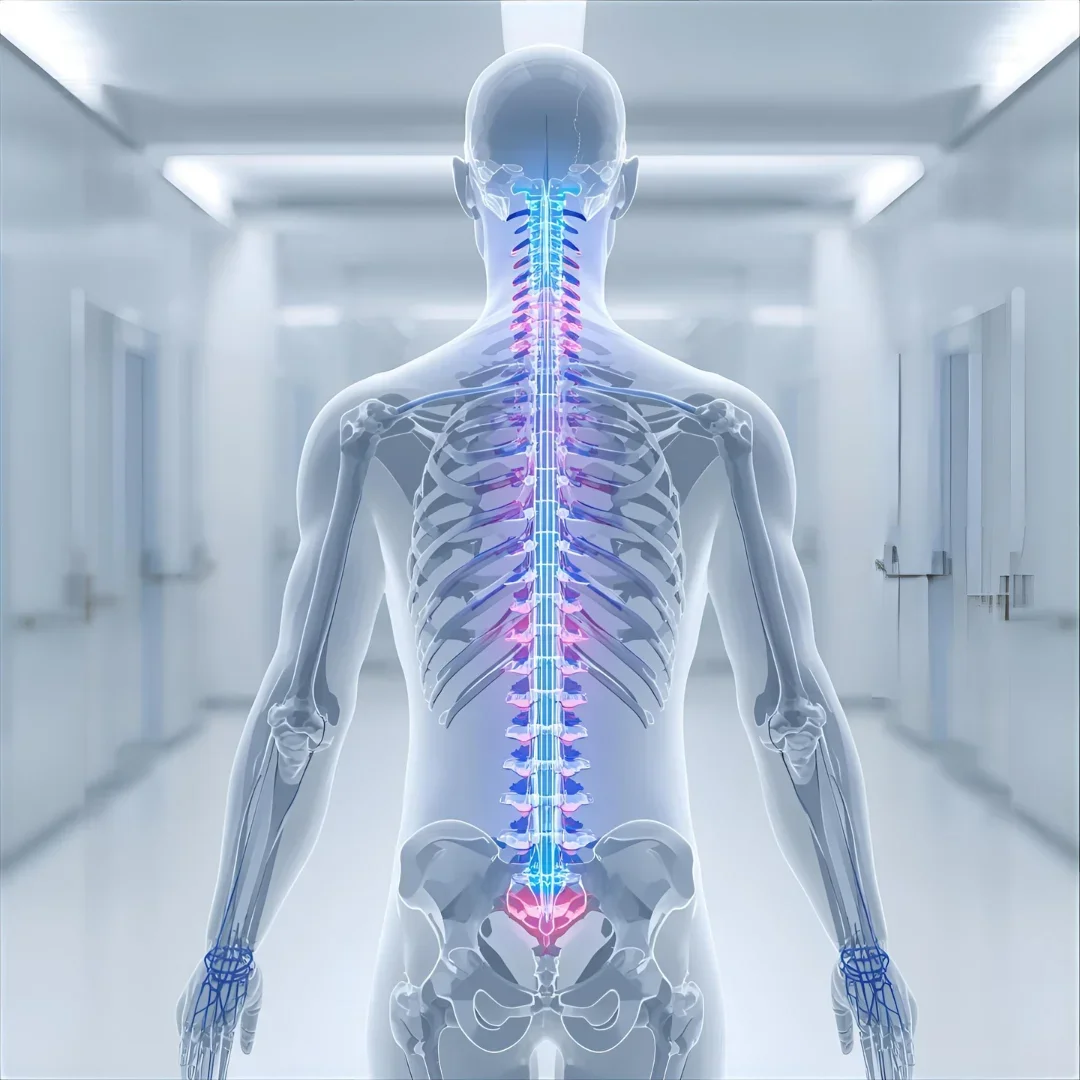
    Detailed anatomical illustration of the human spine with highlighted nerve pathways, showcasing the chart of nerves from spine in a modern clinical setting.

    Why Understanding the Chart of Nerves from Spine Matters

    Knowledge of the chart of nerves from spine isn’t just for neurologists or chiropractors—it’s essential for anyone interested in maintaining optimal health. Each spinal nerve communicates vital instructions between the brain and the body. If a nerve root gets compressed or irritated, as with a herniated disc or spinal stenosis, the consequences can ripple out: causing pain, weakness, numbness, and even affecting functions in areas like the thyroid gland, lower leg, or large intestine. A spinal nerve chart literally maps the body’s pathways, allowing quick, accurate correlation between symptoms and vertebral levels. Early recognition of nerve dysfunction means faster, targeted interventions—reducing the time you spend guessing and the risks of chronic problems. Whether you’re dealing with lower back pain, tingling in the arms, or unexplained muscle weakness, understanding this nerve chart arms you and your healthcare provider with the tools to respond effectively.

    If you’re seeking personalized guidance or have specific questions about your symptoms, reaching out to a professional can make a significant difference. You can easily send a message to a Sacramento chiropractor for expert advice tailored to your unique situation.

    What You’ll Learn About the Chart of Nerves from Spine

    • How the spinal nerve chart maps nerve pathways

    • The role of spinal nerves in nervous system function

    • How nerve charts can aid diagnosis and treatment

    • Common disorders linked to spinal nerve dysfunction

    Overview: Anatomy of the Chart of Nerves from Spine

    Basics of the Spinal Column Including the Chart of Nerves from Spine

    The spinal column, or vertebral column, is much more than the backbone—it’s the structural core of the nervous system, channeling the spinal cord and serving as the launching pad for 31 pairs of spinal nerves. Each vertebral level corresponds with a specific nerve root that controls distinct body parts, from the supply to the head and arms, to vital organs like the bronchial tubes and large intestine. By referencing the spinal nerve chart, one can quickly identify how a lumbar spine injury or a vertebral subluxation can send pain signals to the lower back or cause symptoms in the lower leg. The chart also highlights how nerves branch at each level, with the cervical, thoracic, lumbar, sacral, and coccygeal segments each playing unique roles in muscle movement, sensation, and autonomic function.

    Structure and Segmentation: 31 Spinal Nerves Explained

    The chart of nerves from spine divides the full set of 31 pairs of spinal nerves into five major groups: eight cervical, twelve thoracic, five lumbar, five sacral, and one coccygeal. Each segment contains specific nerve roots responsible for different regions and functions—from the control of the diaphragm by the upper cervical nerves to the sciatic nerve’s journey down the lower leg. The chart provides a powerful visual map, showing the origin, branching, and distribution of each spinal nerve. For example, injuries to the lumbar segments often cause lower back pain and symptoms that radiate down the legs. This segmentation is also critical when diagnosing pinched nerves, peripheral neuropathy, or radiculopathy, where the precise location of symptoms can pinpoint the affected spinal nerve on the chart.

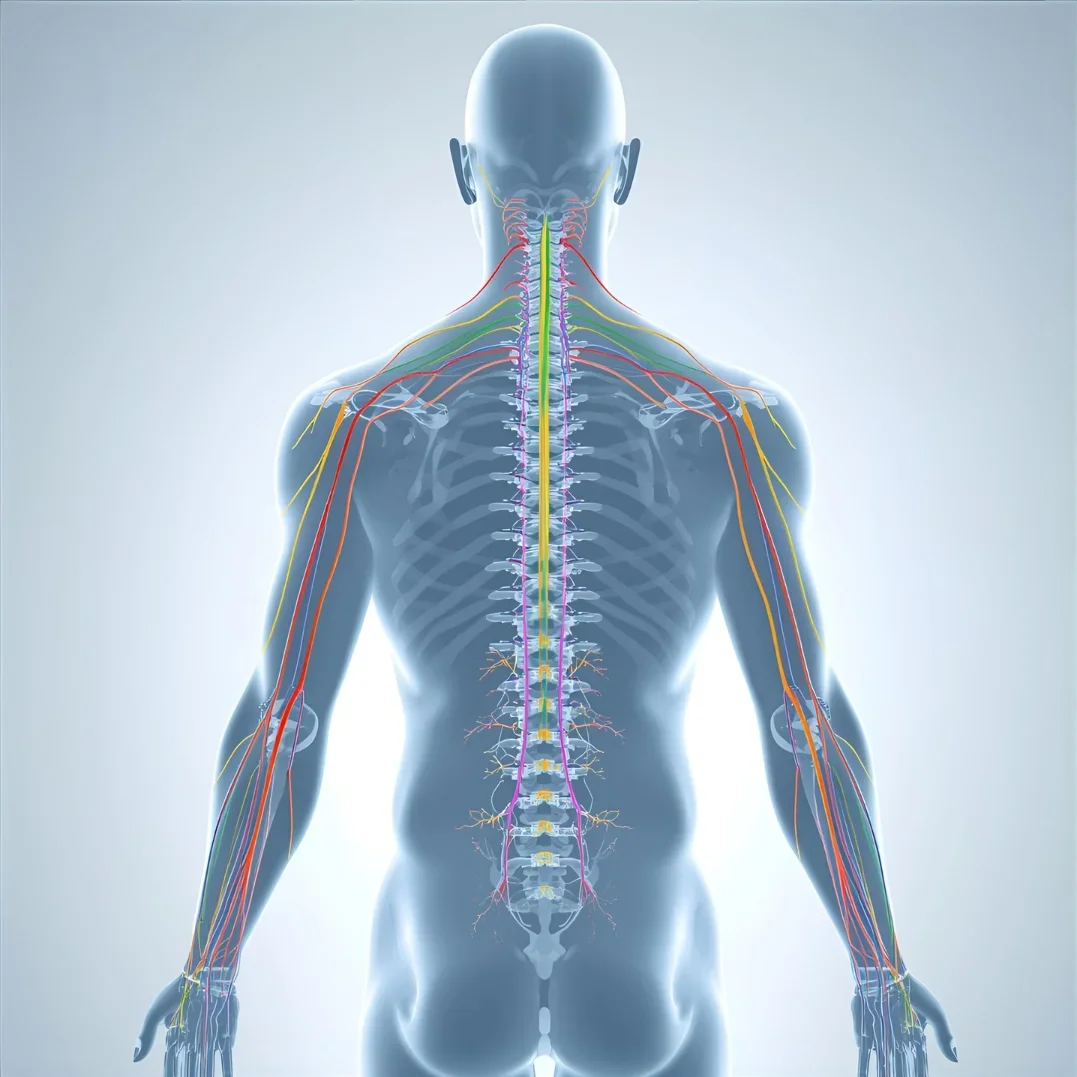
    Color-coded segmented illustration showing 31 pairs of spinal nerves branching from the spinal cord, visually detailing the chart of nerves from spine for educational purposes.

    How the Nervous System Relates to the Chart of Nerves from Spine

    The nervous system consists of the central nervous system (brain and spinal cord) and peripheral nervous system (spinal nerves and their branches). The spinal cord acts as a superhighway for neural signals, while each nerve root serves as an exit ramp, directing impulses to and from specific body parts. The chart of nerves from spine bridges these systems, turning an abstract network into a readable, actionable tool. It’s through this chart that clinicians understand why a herniated disc causes leg numbness, or how the cervical spine affects hand movement. Ultimately, the spinal nerve chart demystifies the complex journey between the brain and the body by clearly labeling the neural highways and their crucial destinations.

    The Comprehensive Spinal Nerve Chart

    Nerve Name

    Segment Location

    Primary Function

    C1-C8

    Cervical

    Neck, shoulders, arms, diaphragm, hands

    T1-T12

    Thoracic

    Chest, abdominal muscles, parts of the back

    L1-L5

    Lumbar

    Lower back muscles, legs, lower abdomen, bladder

    S1-S5

    Sacral

    Buttocks, sex organs, lower legs, anus

    Co1

    Coccygeal

    Region around the tailbone

    • Features of a Nerve Chart

    • Understanding Nerve Roots

    • Importance of Nerve Pathways

    Nerve Function: The Role of Spinal Nerves

    Types and Functions of Spinal Nerves

    Each pair of spinal nerves contains both sensory (afferent) and motor (efferent) fibers. Sensory fibers bring information about touch, temperature, and pain from the body up to the spinal cord, which then relays it to the brain. Motor fibers carry instructions from the brain and spinal cord out to the muscles, allowing for voluntary movement and reflexes. The spinal nerve chart is invaluable because it helps pinpoint which nerve or nerves may be dysfunctional based on symptoms in specific body parts—like weakness in the lower leg or numbness in your hand. Disorders such as radiculopathy (nerve root irritation), herniated discs, and spinal stenosis manifest as changes in nerve function, all neatly displayed in the corresponding sections of the nerve chart and aiding in accurate diagnosis and potential chiropractic care or physical therapy strategies.

    Closeup of a realistic nerve cell network connecting down a translucent spinal cord model, illustrating nerve function within the chart of nerves from spine.

    How the Spinal Nerve Chart Illustrates Nerve Function

    The spinal nerve chart isn’t just an anatomical reference—it’s a living document that reflects the dynamic interplay between motor and sensory functions. Motor nerves transmit command signals that result in movement, while sensory nerves relay stimuli like pressure, heat, and pain. Reflex arcs, visible on detailed nerve charts, explain involuntary reactions like the knee-jerk reflex and even the rapid withdrawal from a hot surface. By highlighting the precise segment where these nerves branch, the chart helps doctors and therapists understand and map symptoms back to their root cause, whether it’s a pinched nerve or peripheral nerve compromise. This understanding is essential for mapping everything from dermatome patterns to complex reflexes, making the chart a critical diagnostic and educational tool.

    • Motor vs Sensory Nerves

    • Reflex Arcs in the Nerve Chart

    From Head to Lower Back: Mapping the Chart of Nerves from Spine

    Cervical Nerves: Functions and Pathways

    The eight pairs of cervical spinal nerves (C1–C8) have crucial roles, including supply to the head, control of the neck, shoulders, arms, hands, and even assisting breathing through the diaphragm. The chart of nerves from spine visually maps these nerves’ paths, showing how C3, C4, and C5 are essential for diaphragm movement—a function crucial for breathing—and why injury here can be life-altering. Other cervical nerves extend into the shoulders and hands, impacting everything from muscle strength to sensation. The nerve chart is vital in identifying which symptoms—such as tingling, numbness, or weakness in the hands—are linked to issues in the cervical spine and helps clinicians form targeted treatment strategies for conditions like herniated discs or vertebral subluxations.

    Thoracic Nerves on the Spinal Nerve Chart

    The twelve pairs of thoracic nerves (T1–T12) primarily manage the muscles and sensation in the torso, including the chest, upper back, abdominal muscles, and organs like the bronchial tubes and small intestine. The spinal nerve chart clearly details how thoracic nerves govern vital functions, with specific pathways branching to control movement, posture, and even aspects of digestion and respiratory health. The nerve chart is particularly important in distinguishing symptoms like band-like chest pain, which can mimic heart issues but may actually result from nerve compression at a thoracic vertebral level. Understanding these thoracic pathways is instrumental in identifying root causes behind symptoms such as back pain, abdominal discomfort, or even respiratory irregularities.

    Lumbar and Sacral Spine: Lower Back to Lower Leg

    The lumbar and sacral nerves (L1–S5) command the powerhouse region: lower back, pelvis, buttocks, lower leg, feet, and even sex organs. Problems such as herniated discs or spinal stenosis in these lower segments can produce classic symptoms like sciatica—radiating pain from the lumbar spine through the buttocks into the lower leg. The chart of nerves from spine elegantly demonstrates how the nerve roots in the lumbar and sacral areas can, when compressed, result in symptoms like numbness, tingling, and muscle weakness. Knowing how these nerves branch and where they connect allows for pinpointing the exact vertebral level responsible for specific problems, making accurate diagnosis and treatment not just possible, but more efficient.

    • Lower Back Pain and the Nerve Chart

    • Lower Leg Symptoms and Nerve Involvement

    Lateral view of a human back showing highlighted lumbar and sacral spinal nerves radiating toward the lower legs, mapping nerve involvement in the chart of nerves from spine.

    How to Read a Spinal Nerve Chart

    Step-by-Step Guide to Interpreting a Nerve Chart

    Reading a spinal nerve chart involves correlating symptoms with the exact nerve root and vertebral level. First, identify where sensations like pain or numbness occur. Next, consult the dermatome map—color-coded regions showing which spinal nerve supplies each area of skin. Using the chart, trace the pathways from the spinal cord to affected body parts. Be sure to note differences between motor and sensory components; some pathways control movement, while others relay sensory signals. Identifying these details is the key to pinpointing the source of problems, whether dealing with a pinched nerve, radiculopathy, or unexplained back pain. Understanding how nerves branch at each vertebral level allows for a targeted, effective approach to treatment.

    • Exploring Dermatome Maps

    • Identifying Nerve Roots and Their Effects

    Clinical Applications of the Chart of Nerves from Spine

    Diagnosing Disorders Using a Nerve Chart

    In clinical practice, the chart of nerves from spine serves as an essential diagnostic tool. When a patient presents with symptoms like back pain, tingling in the lower leg, or muscle weakness, clinicians consult the nerve chart to match these symptoms to the responsible spinal nerve root. This matching process is vital in identifying conditions such as herniated discs, spinal stenosis, or vertebral subluxation. By referencing the spinal nerve chart, doctors can also rule out or confirm peripheral neuropathy or sciatic nerve involvement. This step-by-step approach turns a complex network of neural pathways into an accessible roadmap for accurate diagnosis, minimizing guesswork and promoting effective patient care.

    Professional clinician analyzing a digital 3D spinal nerve chart on a touchscreen tablet, utilizing the chart of nerves from spine for precise diagnosis.

    Treatment Implications: How Nerve Charts Guide Therapies

    Once a diagnosis is made using the spinal nerve chart, the chart becomes a guide for targeted treatment options. For example, pinpointing nerve root compression from a herniated disc helps determine the best approach—ranging from chiropractic care and physical therapy to advanced surgical interventions. The chart’s clarity also supports targeted nerve blocks or stimulation therapies by revealing precise relationships between nerve roots and body parts in need. Common conditions like pinched nerves, radiculopathy, or even disorders affecting the pelvic and sex organs are better managed by visualizing their pathways on the chart, ensuring that interventions are not just generic, but specific to the location and nature of nerve involvement.

    • Common Conditions Mapped onto the Spinal Nerve Chart

    Case Study: Using the Chart of Nerves from Spine in Medical Practice

    “Accurate interpretation of the spinal nerve chart is crucial for identifying pain origin and planning treatment.” – Dr. Morgan, Neurologist

    Consider a patient with acute lower back pain radiating to the lower leg. By consulting the spinal nerve chart, the clinician quickly identifies involvement of the L4 or L5 nerve root—commonly affected by a herniated disc in the lumbar spine. Targeted imaging, precise diagnosis, and individualized physical therapy or chiropractic care result, guided every step by what the nerve chart reveals. Clear understanding and interpretation of this map pave the way for better patient outcomes and swifter recovery.

    Common Disorders Mapped on the Chart of Nerves from Spine

    • Disc Herniation and Nerve Compression

    • Peripheral Neuropathy

    • Radiculopathy

    Side-by-side illustration of healthy versus compromised spinal nerve anatomy showing disc herniation compressing nerves as visualized on the chart of nerves from spine.

    Key Differences: Spinal Nerve Chart vs. Nerve Chart

    • Visual Presentation

    • Area of Focus

    • Use Cases in Medicine

    While both charts are used for studying nerves, the spinal nerve chart is specifically oriented toward the vertebral column and nerve roots—helpful in mapping symptoms to vertebral levels and guiding spinal health interventions. A general nerve chart might display the broader nervous system, including cranial and peripheral nerves, and is often less detailed about the spine’s direct influence on symptoms. Understanding this distinction ensures that doctors and patients use the right chart for diagnosis and treatment.

    Watch an in-depth animated sequence visualizing the journey and branching of spinal nerves from the cervical to sacral segments. The video presents dynamic transitions, functional highlights, and a calm, professional voiceover ideal for anyone seeking clarity on the chart of nerves from spine.

    This video breaks down the 31 spinal nerves, sharing expert mnemonics and mind maps to help students and practitioners remember key facts about the spinal nerve chart with ease.

    Engage with a narrated walkthrough that reveals how real clinicians read the spinal nerve chart to correlate patient symptoms, imaging, and physical findings with precise nerve involvement.

    People Also Ask: Chart of Nerves from Spine

    What nerves are affected by L4, L5, and S1?

    Answer: L4, L5, and S1 nerves are commonly implicated in lumbar radiculopathy, affecting sensations and movements in the lower back, thighs, and legs. The chart of nerves from spine is essential for identifying these correlations.

    How to remember 31 spinal nerves?

    Answer: Mnemonics and visual aids from a spinal nerve chart can help recall the distribution: 8 cervical, 12 thoracic, 5 lumbar, 5 sacral, 1 coccygeal.

    What nerves are affected by C3, C4, C5, C6, and C7?

    Answer: These cervical spinal nerves control diaphragm function, neck, shoulders, arms, and hands. Their pathways and associated symptoms are precisely mapped on the chart of nerves from spine.

    What are L4 and L5 dermatome symptoms?

    Answer: L4 and L5 dermatomes involve sensation over the shin and outer leg, with symptoms like numbness, tingling, or weakness. The nerve chart can help pinpoint these affected areas.

    Frequently Asked Questions About the Chart of Nerves from Spine

    • What is the difference between a spinal nerve chart and a general nerve chart?

    • How does the nerve chart correlate with the nervous system?

    • Are there variations in nerve function among individuals?

    • How can the chart of nerves from spine help in physical therapy?

    Key Takeaways: Chart of Nerves from Spine

    • The chart of nerves from spine is key in understanding neurological function and diagnosing disorders

    • Visual diagrams such as spinal nerve charts aid clinicians and patients alike

    • Knowing nerve pathways is critical for targeted treatments and self-awareness

    Final Thoughts: Your Guide to the Chart of Nerves from Spine

    “Knowledge of the spinal nerve chart empowers both practitioners and patients, paving the way to accurate diagnosis and better health outcomes.”

    Explore More Resources on the Chart of Nerves from Spine Today!

    Whether you’re a patient aiming for better health or a clinician seeking clarity, the chart of nerves from spine is your roadmap to understanding and healing. Explore more visuals, videos, and guides to empower your journey today!

    As you continue your exploration of spinal nerve health, consider how a holistic approach can further enhance your well-being. Beyond understanding nerve charts, connecting with a knowledgeable chiropractor can provide you with tailored strategies for pain relief, posture improvement, and long-term spinal care. If you’re ready to take the next step toward a healthier spine and a more vibrant life, discover how expert chiropractic support in Sacramento can help you achieve your goals by reaching out for a personalized consultation. Your journey to optimal nerve function and overall health starts with informed action and the right support team by your side.

    Feel Something Wrong With Your Bones?

    At Keppler Chiropractic, we ensure top-notch agency services, with a focus on delivering a five-star customer experience. We deeply value excellent customer service and actively listening to your needs.

    Information

    Phone

    916) 422-5111

    Email

    doc4back@
    kepplerchiropractic.com

    Address

    5667 Freeport Blvd Sacramento, CA 95822, USA