Did you know that 90% of chronic pain can be traced back to hidden nerve issues that a typical medical checkup might miss? The spinal function chart offers a unique map, connecting every spinal nerve to the health of your entire body—potentially helping you uncover powerful insights most people never see
Startling Fact: How the Spinal Function Chart Reveals Hidden Health Insights
Many people are surprised to learn that a disruption in a single spinal nerve can quietly affect seemingly unrelated organ systems, sometimes for years before symptoms become obvious. The spinal function chart makes these invisible connections visible, showing how a specific nerve root exiting the spinal column can directly influence the heart, lungs, digestive organs, and more. Unlike a basic nerve chart, which often focuses just on anatomical pathways, the spinal function chart uses color-coding and symptom mapping to illustrate how spinal nerve function is intimately linked to the health of every body system.
Clinicians and patients alike rely on the spinal function chart for rapid reference in tracking persistent symptoms back to a source, such as chronic headaches associated with upper cervical nerve interference or digestive issues traced to thoracic spinal nerves. This chart’s up-to-date, evidence-based format supports faster, more accurate clinical decision-making and helps patients visualize how the nervous system governs nearly every aspect of wellness. With this insight, you’re better equipped to identify not just what hurts, but why—and what to do about it.

What You’ll Learn from the Spinal Function Chart
-
How to read a spinal nerve chart for improving health
-
The relationship between nervous system health and well-being
-
How spinal nerve function correlates to symptoms
-
Why a spinal function chart supports smarter healthcare decisions
Understanding the Spinal Function Chart: Features and Structure
Overview of the nervous system and spinal nerves
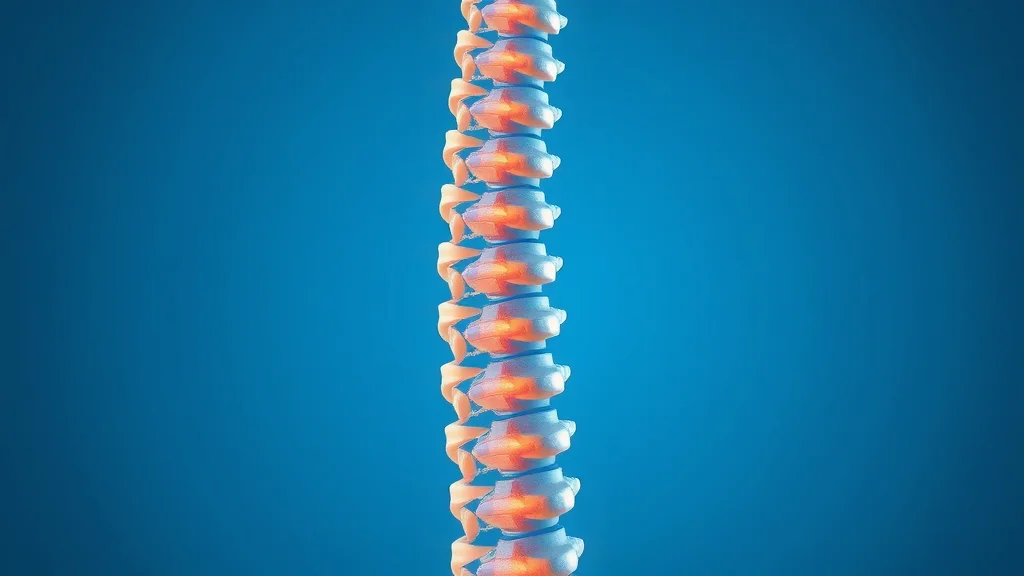
The nervous system is the command center for your body, orchestrating every movement, sensation, and organ function via a complex network of nerves. At its core is the spinal cord, protected by the spinal column, where signals travel to and from the brain to every cell. From this hub, pairs of spinal nerves branch out between each vertebra, carrying vital information. If one spinal nerve is pinched, inflamed, or dysfunctional, it can cause widespread issues that ripple across the body—impacting not just the directly connected muscles but potentially influencing organ systems such as the adrenal cortex, urinary bladder, or large intestine.
A quality spinal function chart makes these intricate relationships concrete, offering a comprehensive, visual summary of how every part of your body connects through the nerve system. By understanding these connections, you become more proactive in recognizing early warning signs, preventing chronic issues, and optimizing care from your healthcare provider—whether you’re at a chiropractic center, chiropractic clinic, or practicing self-care.
For those interested in applying these insights to their own health journey, reaching out to a professional can provide tailored guidance. If you have specific questions or want to discuss your symptoms in detail, you can easily send a message to the team at Keppler Chiropractic for expert advice and support.
How the spinal nerve chart maps the body
A spinal nerve chart goes beyond anatomy textbooks by color-coding nerve pathways and labeling precisely which organs and body areas are influenced by each spinal nerve. This donut-shaped network, from the cervical (neck) region to the sacral and coccygeal (lower back and tailbone) segments, shows where nerves exit the spinal column and what parts of your body may feel the impact. For example, the L4, L5, and S1 nerves (lumbar and sacral regions) are often associated with lower limb sensation, urinary bladder efficiency, and even emotions tied to chronic discomfort.
By tracing symptoms—such as tingling, pain, or weakness—to the corresponding nerve roots, practitioners can use the spinal function chart to cross-reference patient-reported symptoms with their likely source along the spinal column. This shortcut is especially powerful in busy practices or during continuing education sessions at institutions like Sherman College, where a precise understanding of how the nervous system controls the rest of your body is essential for both learning and teaching.
Key elements of a premium spinal function chart
-
Accurate depiction of spinal nerve function
-
User-friendly design and color-coded sections
-
Visual correlations with the nervous system
The Vital Role of the Spinal Function Chart in Health & Wellness
Comprehensive link between spinal nerves and symptoms
Every cell, muscle, and organ depends on the clear communication streams established by your spinal nerves. When nerve function is impaired—due to trauma, repetitive stress, vertebral subluxation, or degeneration—strange symptoms can surface far from the site of actual injury. For example, trouble in the lower thoracic spine may manifest as digestive discomfort or chronic fatigue, while higher cervical issues can lead to headaches or vision changes. A well-organized spinal function chart illustrates these cause-and-effect relationships graphically, helping you and your healthcare team identify not just the symptom, but the root cause, often hidden beneath layers of referred pain or overlapping complaints.
This mapping is central to modern patient education and the principles of personalized care. Whether you are a patient tracking new symptoms or a practitioner explaining a diagnosis, the spinal function chart acts as a quick link for efficient communication—bridging the gap between what’s happening inside your spinal column and how it governs the parts of your body you rely on daily.

How the spinal function chart enhances clinical decision-making
For practitioners, every patient interaction is an opportunity to translate complex anatomy into actionable care. The spinal function chart provides a diagnostic and educational framework—empowering doctors, therapists, and even chiropractic students to quickly identify patterns, choose appropriate therapies, and communicate clearly. Rather than relying solely on patient descriptions or isolated tests, the chart brings a holistic, evidence-based approach to finding solutions, from rehabilitation to preventive care.
In a busy chiropractic clinic, for example, a detailed chart can help verify whether pain in a limb may relate to a dysfunction at a single spinal level, or if recurring symptoms require further investigation along the nerve pathway. This fast, reliable reference tool supports practitioners’ continuing education and can be especially valuable in demonstrating to practice members or insurance providers why a specific care plan is necessary.
“A spinal function chart gives practitioners and patients a clear, actionable map to better health.” – Dr. Caroline Yee, DC
Comparing the Spinal Function Chart with Traditional Nerve Charts
Spinal nerve chart vs. conventional diagrams
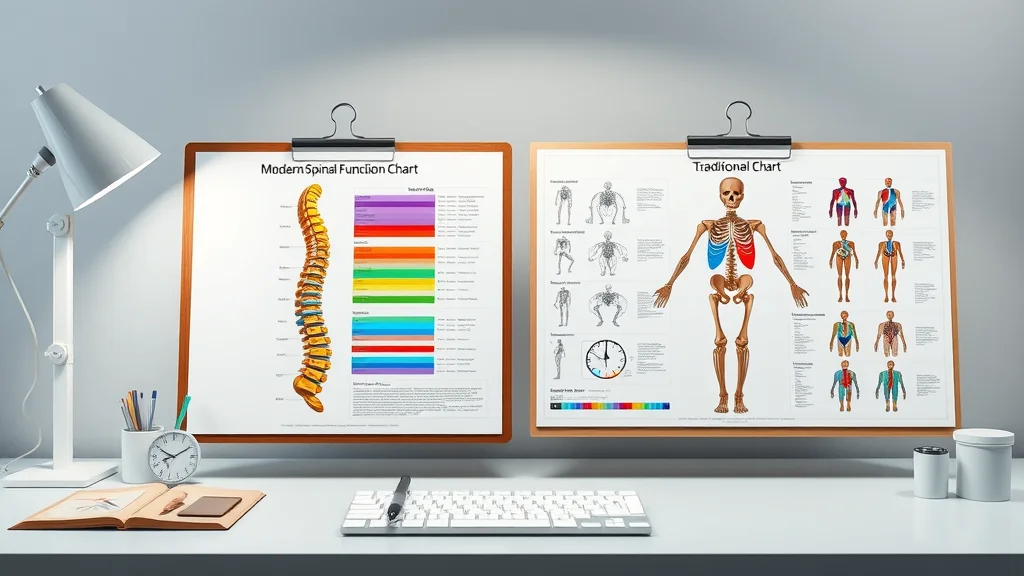
Traditional nerve charts are primarily anatomical, showing the general paths of major nerves but offering little direct application to symptom tracking or diagnosis. In comparison, the spinal function chart integrates both structure and function—using modern visualization techniques like color gradients, region-based labeling, and symptom overlays. This provides clinical utility not found in conventional diagrams: a single chart can show at a glance which spinal nerves affect which organs or body systems and how disruptions might present in real life.
The difference in detail and usability is significant. While older charts may suffice for basic anatomy lessons, true clinical excellence demands a tool that matches today’s complex understanding of nerve function. The spinal function chart bridges this gap, supporting both in-depth learning and practical, patient-centered care.
|
Feature |
Spinal Function Chart |
Traditional Nerve Chart |
|---|---|---|
|
Detail Level |
Anatomical + Functional |
Mostly Anatomical |
|
Visualization |
Color-coded links to symptoms |
Basic pathways |
|
Clinical Utility |
Diagnostic & educational |
Educational |
Benefits of Using a Spinal Function Chart
-
Clear mapping of spinal nerve function
-
Helps identify root causes of pain or symptoms
-
Supports personalized care and therapy
-
Aids in patient education about the nervous system
How to Choose the Right Spinal Function Chart
Evaluating accuracy and detail
When selecting a spinal function chart, accuracy is key. Look for charts rooted in up-to-date research, cross-referenced with reputable sources or continuing education providers (such as Sherman College). The best products offer anatomical precision—showing the correct levels of the spine (C1–S5), authentic nerve pathways, and clear associations with organ systems and common clinical symptoms. Additionally, check for user reviews from practice members and clinicians who rely on the chart in real practice, ensuring that the information is both trustworthy and actionable.
A solid chart will feature not just the primary nerve roots, but also detail how nerves exit at each vertebral level, their role in controlling the large intestine, adrenal cortex, urinary bladder, and other crucial systems. This level of detail fosters precision in both learning and clinical diagnosis.
Materials and readability
A high-quality spinal function chart is built to last, using materials such as laminated paper or heavy cardstock that resist wear and tear in a busy clinical setting. For those who prefer flexible, on-demand reference, a digital download (PDF) can be printed or viewed on a tablet. Readability is critical: clean, large fonts; intuitive color coding; and logical grouping of sections make it easy to use even with patients who might not have a background in anatomy. Some charts provide transparent overlays or multi-layered designs so you can explore relationships between the brain, spinal cord, and peripheral nerves at a glance.

Where to buy a spinal function chart
For the most reliable and clinically precise charts, check specialist providers like kepplerchiropractic.com. These charts are developed with input from experienced practitioners and educators, designed for use in both clinical and educational settings. Whether you’re buying for a chiropractic clinic, wellness office, or personal reference, purchasing from a reputable source ensures quality and long-term utility.
Real User Reviews: Experiences with the Spinal Function Chart
“The spinal function chart transformed my understanding of chronic pain. Now I feel empowered to take control of my health.” – Jamie L.
-
Positive patient testimonials about improved symptom tracking
-
Practitioners highlight efficiency in diagnoses using spinal nerve charts
Price Guide: What to Expect When Buying a Spinal Function Chart
|
Chart Type |
Material |
Average Price |
|---|---|---|
|
Wall Poster |
Laminated Paper |
$20 – $40 |
|
Digital Download |
|
$10 – $25 |
|
Clinical Reference |
Heavy Cardstock |
$25 – $50 |
Video: How to Use a Spinal Function Chart in Your Practice
Watch this instructional video to see real-life case studies and learn the most effective ways to integrate the spinal function chart into your daily clinical workflow or home health routines. The video covers chart features, ways to correlate symptoms with nerve pathways, and tips for patient education.
[Instructional video demonstrating the effective use of a spinal function chart in a clinical setting, including a brief tour of chart features and real-life case studies]
Frequently Asked Questions about the Spinal Function Chart
What happens if you damage your L3, L4, and L5 spine?
Damage to the L3, L4, and L5 regions of the spine can significantly impact the function of the lower limbs, urinary bladder, and parts of the large intestine. When these spinal nerves are compressed or injured, patients may experience symptoms like numbness, tingling, muscle weakness, or pain radiating down the leg (sciatica). In severe cases, it can also cause difficulty walking or loss of bladder and bowel control, underlining the importance of protecting and monitoring these levels as illustrated in a comprehensive spinal function chart.
What emotions are held in the spine?
Recent research suggests that chronic tension or injury to the spinal column and associated nerves can correlate with persistent emotional states, such as anxiety or stress. Because the nervous system controls both physical and psychological responses, stress at certain spinal levels may create or amplify feelings of fear, sadness, or frustration. The holistic perspective offered by a spinal function chart can highlight these mind-body links for more holistic care.
What nerves are affected by L4, L5, and S1?
The L4, L5, and S1 spinal nerves primarily serve the hips, legs, and feet. They control sensations, muscle strength, and certain reflexes. Injury or interference with these spinal nerves can lead to conditions like sciatica, foot drop, or numbness along the outer edge of the leg. Proper charting through a spinal nerve chart or spinal function chart helps pinpoint where intervention may be needed.
What is meant by L1, L2, L3, L4, L5 spine?
L1 to L5 refer to the five lumbar vertebrae in the lower back. Each vertebra has a corresponding pair of spinal nerves (“nerve roots”) that exit the spine and branch out to serve the hips, thighs, legs, and lower organs. This region is central to both movement and stability; injury or irritation at these levels often results in lower body discomfort, postural issues, and problems with lower body organ function, all of which are clearly mapped in a detailed spinal function chart.
Key Takeaways from the Spinal Function Chart
-
A *spinal function chart* is an essential reference for anyone seeking to understand or treat nerve-related conditions.
-
Spinal nerve function impacts nearly every body system.
-
Accurate nerve charts empower both professionals and patients.

Video Guide: Spinal Function Chart for Home and Practice
Explore step-by-step instructions and practical tips on how to incorporate the spinal function chart into everyday symptom tracking, wellness routines, and professional care plans. This guide is perfect for both healthcare providers and anyone looking to take an active role in their health.
Conclusion: Transform Your Wellness Journey with a Spinal Function Chart
The spinal function chart isn’t just a tool—it’s your window into a healthier, more empowered future. Start using one today to map out your pathway to wellness with confidence.
If you’re inspired to deepen your understanding of spinal health or want to explore how personalized chiropractic care can further enhance your well-being, consider connecting with the experts at Keppler Chiropractic. Their team is dedicated to helping you interpret your spinal function chart and translate those insights into actionable steps for lasting wellness. Whether you’re seeking answers to specific concerns or looking for a holistic approach to health, their guidance can illuminate your next steps. Take the opportunity to reach out for a personalized consultation and discover advanced strategies for optimizing your nervous system and overall vitality.
