Did you know that over 85% of back pain cases are linked to issues with nerve roots originating in the spine? The chart of nerves from spine is not just a colorful medical diagram—it’s a critical map for decoding pain, understanding body functions, and guiding doctors toward precise diagnoses and treatment. This guide will unlock the intricate secrets of this chart, helping you recognize how each nerve impacts your body and health.
A Startling Look at the Chart of Nerves from Spine
The chart of nerves from spine is foundational in both clinical practice and patient education. Each branch, each segment, and each pathway represents a vital connection between your lumbar spine, cervical spine, and the rest of the nervous system. This chart isn’t just for experts; understanding it means taking charge of your own neurological health, interpreting signals like lower back or lower leg symptoms, and appreciating how a pinched nerve or herniated disc can impact everything from your hands to your sex organs. For anyone suffering from persistent back pain, leg symptoms, or wondering about the connection between their nervous system and body parts, a close look at the spinal nerve chart provides answers and clarity. Let’s dive into the details, starting with a precise anatomical illustration to frame our understanding.

Why Understanding the Chart of Nerves from Spine Matters
Knowledge of the chart of nerves from spine isn’t just for neurologists or chiropractors—it’s essential for anyone interested in maintaining optimal health. Each spinal nerve communicates vital instructions between the brain and the body. If a nerve root gets compressed or irritated, as with a herniated disc or spinal stenosis, the consequences can ripple out: causing pain, weakness, numbness, and even affecting functions in areas like the thyroid gland, lower leg, or large intestine. A spinal nerve chart literally maps the body’s pathways, allowing quick, accurate correlation between symptoms and vertebral levels. Early recognition of nerve dysfunction means faster, targeted interventions—reducing the time you spend guessing and the risks of chronic problems. Whether you’re dealing with lower back pain, tingling in the arms, or unexplained muscle weakness, understanding this nerve chart arms you and your healthcare provider with the tools to respond effectively.
If you’re seeking personalized guidance or have specific questions about your symptoms, reaching out to a professional can make a significant difference. You can easily send a message to a Sacramento chiropractor for expert advice tailored to your unique situation.
What You’ll Learn About the Chart of Nerves from Spine
How the spinal nerve chart maps nerve pathways
The role of spinal nerves in nervous system function
How nerve charts can aid diagnosis and treatment
Common disorders linked to spinal nerve dysfunction
Overview: Anatomy of the Chart of Nerves from Spine
Basics of the Spinal Column Including the Chart of Nerves from Spine
The spinal column, or vertebral column, is much more than the backbone—it’s the structural core of the nervous system, channeling the spinal cord and serving as the launching pad for 31 pairs of spinal nerves. Each vertebral level corresponds with a specific nerve root that controls distinct body parts, from the supply to the head and arms, to vital organs like the bronchial tubes and large intestine. By referencing the spinal nerve chart, one can quickly identify how a lumbar spine injury or a vertebral subluxation can send pain signals to the lower back or cause symptoms in the lower leg. The chart also highlights how nerves branch at each level, with the cervical, thoracic, lumbar, sacral, and coccygeal segments each playing unique roles in muscle movement, sensation, and autonomic function.
Structure and Segmentation: 31 Spinal Nerves Explained
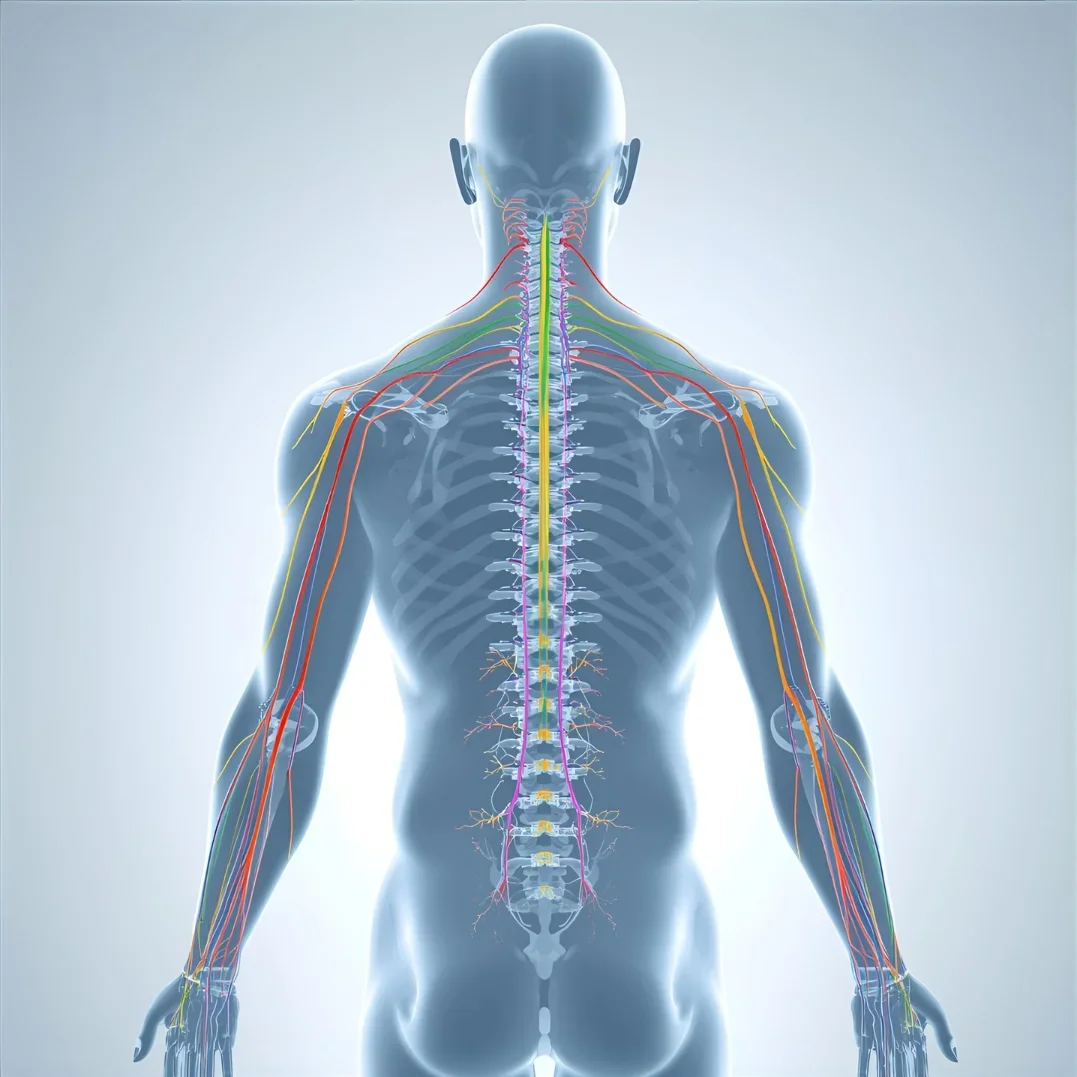
The chart of nerves from spine divides the full set of 31 pairs of spinal nerves into five major groups: eight cervical, twelve thoracic, five lumbar, five sacral, and one coccygeal. Each segment contains specific nerve roots responsible for different regions and functions—from the control of the diaphragm by the upper cervical nerves to the sciatic nerve’s journey down the lower leg. The chart provides a powerful visual map, showing the origin, branching, and distribution of each spinal nerve. For example, injuries to the lumbar segments often cause lower back pain and symptoms that radiate down the legs. This segmentation is also critical when diagnosing pinched nerves, peripheral neuropathy, or radiculopathy, where the precise location of symptoms can pinpoint the affected spinal nerve on the chart.
How the Nervous System Relates to the Chart of Nerves from Spine
The nervous system consists of the central nervous system (brain and spinal cord) and peripheral nervous system (spinal nerves and their branches). The spinal cord acts as a superhighway for neural signals, while each nerve root serves as an exit ramp, directing impulses to and from specific body parts. The chart of nerves from spine bridges these systems, turning an abstract network into a readable, actionable tool. It’s through this chart that clinicians understand why a herniated disc causes leg numbness, or how the cervical spine affects hand movement. Ultimately, the spinal nerve chart demystifies the complex journey between the brain and the body by clearly labeling the neural highways and their crucial destinations.
The Comprehensive Spinal Nerve Chart
Nerve Name | Segment Location | Primary Function |
|---|---|---|
C1-C8 | Cervical | Neck, shoulders, arms, diaphragm, hands |
T1-T12 | Thoracic | Chest, abdominal muscles, parts of the back |
L1-L5 | Lumbar | Lower back muscles, legs, lower abdomen, bladder |
S1-S5 | Sacral | Buttocks, sex organs, lower legs, anus |
Co1 | Coccygeal | Region around the tailbone |
Features of a Nerve Chart
Understanding Nerve Roots
Importance of Nerve Pathways
Nerve Function: The Role of Spinal Nerves
Types and Functions of Spinal Nerves
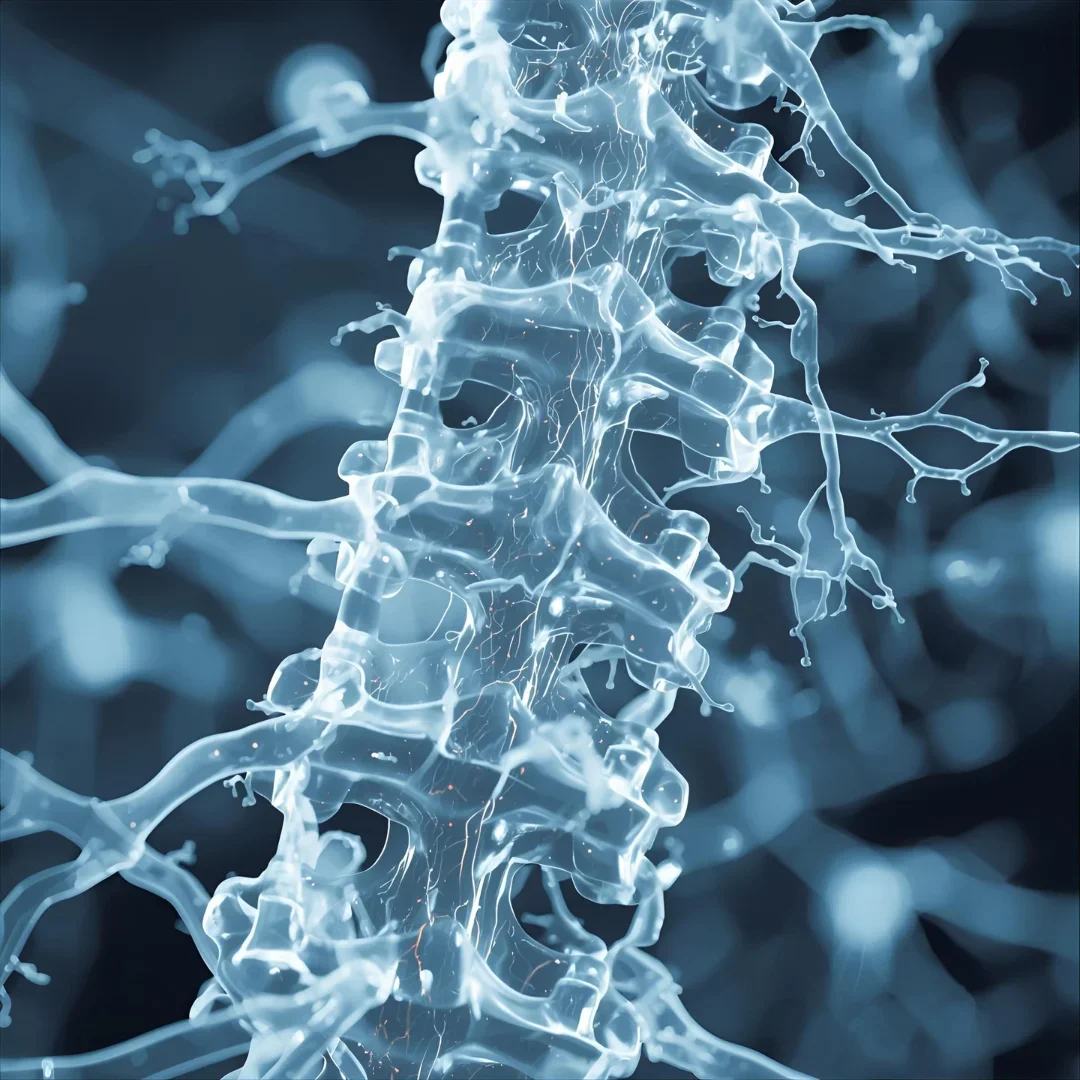
Each pair of spinal nerves contains both sensory (afferent) and motor (efferent) fibers. Sensory fibers bring information about touch, temperature, and pain from the body up to the spinal cord, which then relays it to the brain. Motor fibers carry instructions from the brain and spinal cord out to the muscles, allowing for voluntary movement and reflexes. The spinal nerve chart is invaluable because it helps pinpoint which nerve or nerves may be dysfunctional based on symptoms in specific body parts—like weakness in the lower leg or numbness in your hand. Disorders such as radiculopathy (nerve root irritation), herniated discs, and spinal stenosis manifest as changes in nerve function, all neatly displayed in the corresponding sections of the nerve chart and aiding in accurate diagnosis and potential chiropractic care or physical therapy strategies.
How the Spinal Nerve Chart Illustrates Nerve Function
The spinal nerve chart isn’t just an anatomical reference—it’s a living document that reflects the dynamic interplay between motor and sensory functions. Motor nerves transmit command signals that result in movement, while sensory nerves relay stimuli like pressure, heat, and pain. Reflex arcs, visible on detailed nerve charts, explain involuntary reactions like the knee-jerk reflex and even the rapid withdrawal from a hot surface. By highlighting the precise segment where these nerves branch, the chart helps doctors and therapists understand and map symptoms back to their root cause, whether it’s a pinched nerve or peripheral nerve compromise. This understanding is essential for mapping everything from dermatome patterns to complex reflexes, making the chart a critical diagnostic and educational tool.
Motor vs Sensory Nerves
Reflex Arcs in the Nerve Chart
From Head to Lower Back: Mapping the Chart of Nerves from Spine
Cervical Nerves: Functions and Pathways
The eight pairs of cervical spinal nerves (C1–C8) have crucial roles, including supply to the head, control of the neck, shoulders, arms, hands, and even assisting breathing through the diaphragm. The chart of nerves from spine visually maps these nerves’ paths, showing how C3, C4, and C5 are essential for diaphragm movement—a function crucial for breathing—and why injury here can be life-altering. Other cervical nerves extend into the shoulders and hands, impacting everything from muscle strength to sensation. The nerve chart is vital in identifying which symptoms—such as tingling, numbness, or weakness in the hands—are linked to issues in the cervical spine and helps clinicians form targeted treatment strategies for conditions like herniated discs or vertebral subluxations.
Thoracic Nerves on the Spinal Nerve Chart
The twelve pairs of thoracic nerves (T1–T12) primarily manage the muscles and sensation in the torso, including the chest, upper back, abdominal muscles, and organs like the bronchial tubes and small intestine. The spinal nerve chart clearly details how thoracic nerves govern vital functions, with specific pathways branching to control movement, posture, and even aspects of digestion and respiratory health. The nerve chart is particularly important in distinguishing symptoms like band-like chest pain, which can mimic heart issues but may actually result from nerve compression at a thoracic vertebral level. Understanding these thoracic pathways is instrumental in identifying root causes behind symptoms such as back pain, abdominal discomfort, or even respiratory irregularities.
Lumbar and Sacral Spine: Lower Back to Lower Leg
The lumbar and sacral nerves (L1–S5) command the powerhouse region: lower back, pelvis, buttocks, lower leg, feet, and even sex organs. Problems such as herniated discs or spinal stenosis in these lower segments can produce classic symptoms like sciatica—radiating pain from the lumbar spine through the buttocks into the lower leg. The chart of nerves from spine elegantly demonstrates how the nerve roots in the lumbar and sacral areas can, when compressed, result in symptoms like numbness, tingling, and muscle weakness. Knowing how these nerves branch and where they connect allows for pinpointing the exact vertebral level responsible for specific problems, making accurate diagnosis and treatment not just possible, but more efficient.
Lower Back Pain and the Nerve Chart
Lower Leg Symptoms and Nerve Involvement
How to Read a Spinal Nerve Chart
Step-by-Step Guide to Interpreting a Nerve Chart
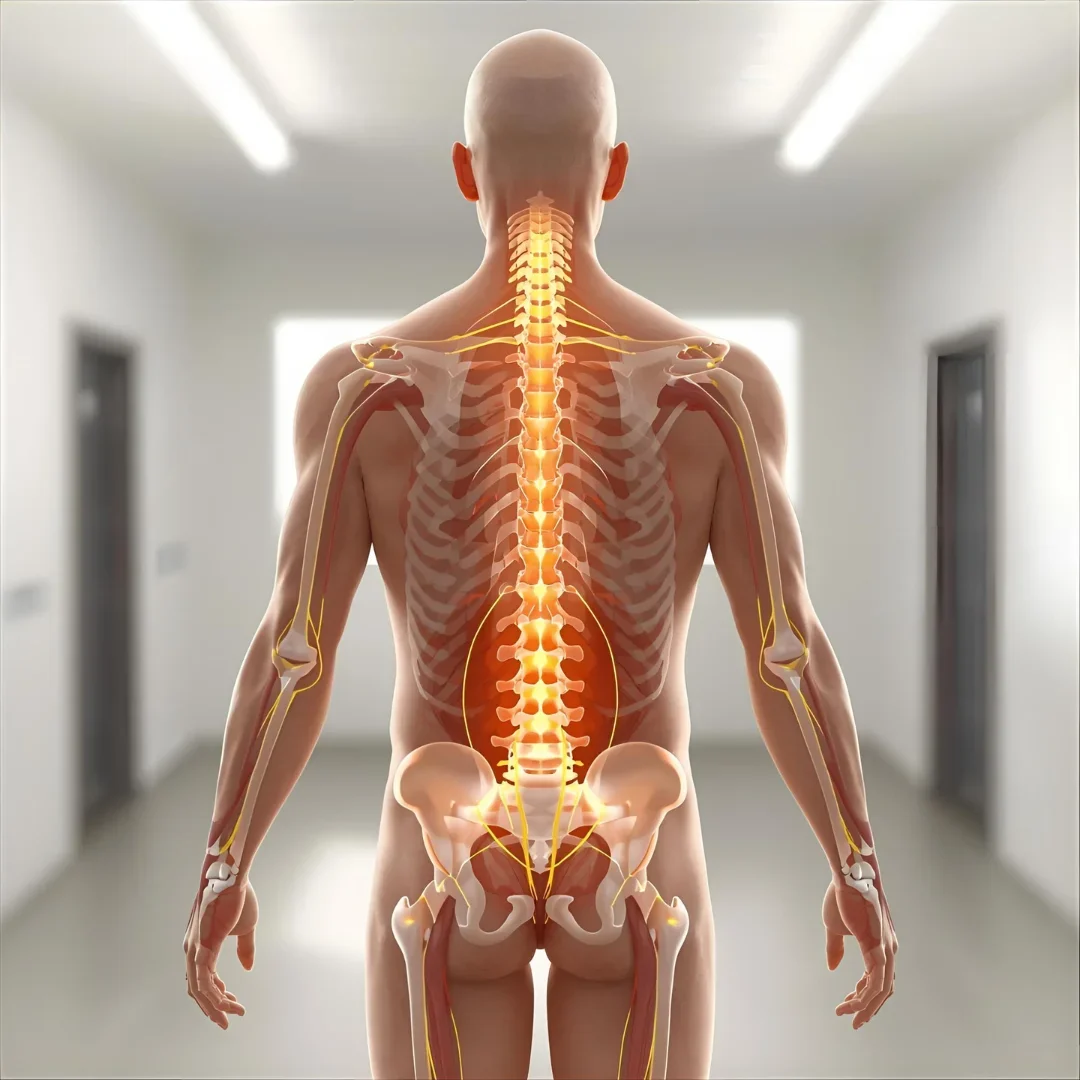
Reading a spinal nerve chart involves correlating symptoms with the exact nerve root and vertebral level. First, identify where sensations like pain or numbness occur. Next, consult the dermatome map—color-coded regions showing which spinal nerve supplies each area of skin. Using the chart, trace the pathways from the spinal cord to affected body parts. Be sure to note differences between motor and sensory components; some pathways control movement, while others relay sensory signals. Identifying these details is the key to pinpointing the source of problems, whether dealing with a pinched nerve, radiculopathy, or unexplained back pain. Understanding how nerves branch at each vertebral level allows for a targeted, effective approach to treatment.
Exploring Dermatome Maps
Identifying Nerve Roots and Their Effects
Clinical Applications of the Chart of Nerves from Spine
Diagnosing Disorders Using a Nerve Chart
In clinical practice, the chart of nerves from spine serves as an essential diagnostic tool. When a patient presents with symptoms like back pain, tingling in the lower leg, or muscle weakness, clinicians consult the nerve chart to match these symptoms to the responsible spinal nerve root. This matching process is vital in identifying conditions such as herniated discs, spinal stenosis, or vertebral subluxation. By referencing the spinal nerve chart, doctors can also rule out or confirm peripheral neuropathy or sciatic nerve involvement. This step-by-step approach turns a complex network of neural pathways into an accessible roadmap for accurate diagnosis, minimizing guesswork and promoting effective patient care.

Treatment Implications: How Nerve Charts Guide Therapies
Once a diagnosis is made using the spinal nerve chart, the chart becomes a guide for targeted treatment options. For example, pinpointing nerve root compression from a herniated disc helps determine the best approach—ranging from chiropractic care and physical therapy to advanced surgical interventions. The chart’s clarity also supports targeted nerve blocks or stimulation therapies by revealing precise relationships between nerve roots and body parts in need. Common conditions like pinched nerves, radiculopathy, or even disorders affecting the pelvic and sex organs are better managed by visualizing their pathways on the chart, ensuring that interventions are not just generic, but specific to the location and nature of nerve involvement.
Common Conditions Mapped onto the Spinal Nerve Chart
Case Study: Using the Chart of Nerves from Spine in Medical Practice
“Accurate interpretation of the spinal nerve chart is crucial for identifying pain origin and planning treatment.” – Dr. Morgan, Neurologist
Consider a patient with acute lower back pain radiating to the lower leg. By consulting the spinal nerve chart, the clinician quickly identifies involvement of the L4 or L5 nerve root—commonly affected by a herniated disc in the lumbar spine. Targeted imaging, precise diagnosis, and individualized physical therapy or chiropractic care result, guided every step by what the nerve chart reveals. Clear understanding and interpretation of this map pave the way for better patient outcomes and swifter recovery.
Common Disorders Mapped on the Chart of Nerves from Spine
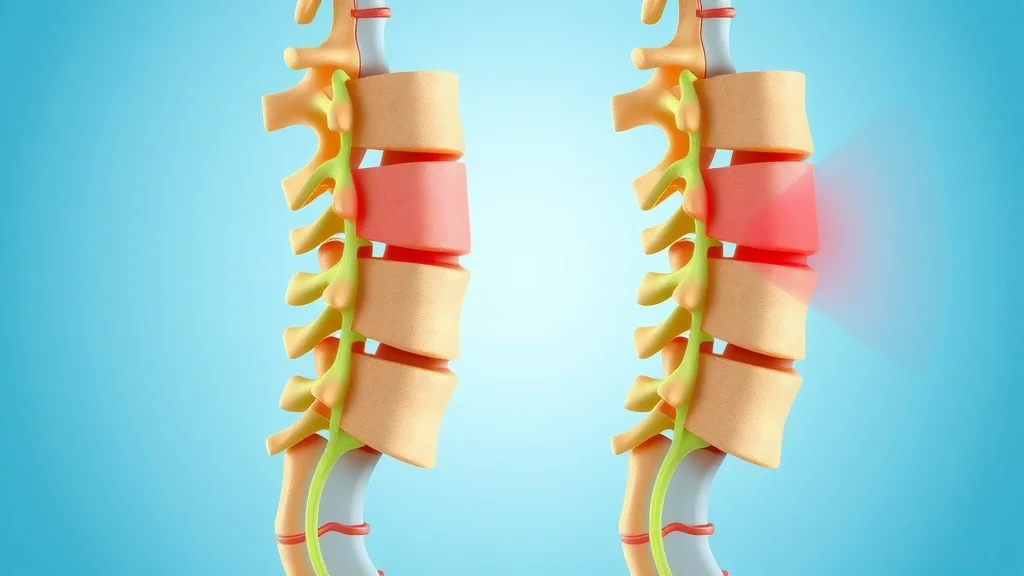
Disc Herniation and Nerve Compression
Peripheral Neuropathy
Radiculopathy
Key Differences: Spinal Nerve Chart vs. Nerve Chart
Visual Presentation
Area of Focus
Use Cases in Medicine
While both charts are used for studying nerves, the spinal nerve chart is specifically oriented toward the vertebral column and nerve roots—helpful in mapping symptoms to vertebral levels and guiding spinal health interventions. A general nerve chart might display the broader nervous system, including cranial and peripheral nerves, and is often less detailed about the spine’s direct influence on symptoms. Understanding this distinction ensures that doctors and patients use the right chart for diagnosis and treatment.
Watch an in-depth animated sequence visualizing the journey and branching of spinal nerves from the cervical to sacral segments. The video presents dynamic transitions, functional highlights, and a calm, professional voiceover ideal for anyone seeking clarity on the chart of nerves from spine.
This video breaks down the 31 spinal nerves, sharing expert mnemonics and mind maps to help students and practitioners remember key facts about the spinal nerve chart with ease.
Engage with a narrated walkthrough that reveals how real clinicians read the spinal nerve chart to correlate patient symptoms, imaging, and physical findings with precise nerve involvement.
People Also Ask: Chart of Nerves from Spine
What nerves are affected by L4, L5, and S1?
Answer: L4, L5, and S1 nerves are commonly implicated in lumbar radiculopathy, affecting sensations and movements in the lower back, thighs, and legs. The chart of nerves from spine is essential for identifying these correlations.
How to remember 31 spinal nerves?
Answer: Mnemonics and visual aids from a spinal nerve chart can help recall the distribution: 8 cervical, 12 thoracic, 5 lumbar, 5 sacral, 1 coccygeal.
What nerves are affected by C3, C4, C5, C6, and C7?
Answer: These cervical spinal nerves control diaphragm function, neck, shoulders, arms, and hands. Their pathways and associated symptoms are precisely mapped on the chart of nerves from spine.
What are L4 and L5 dermatome symptoms?
Answer: L4 and L5 dermatomes involve sensation over the shin and outer leg, with symptoms like numbness, tingling, or weakness. The nerve chart can help pinpoint these affected areas.
Frequently Asked Questions About the Chart of Nerves from Spine
What is the difference between a spinal nerve chart and a general nerve chart?
How does the nerve chart correlate with the nervous system?
Are there variations in nerve function among individuals?
How can the chart of nerves from spine help in physical therapy?
Key Takeaways: Chart of Nerves from Spine
The chart of nerves from spine is key in understanding neurological function and diagnosing disorders
Visual diagrams such as spinal nerve charts aid clinicians and patients alike
Knowing nerve pathways is critical for targeted treatments and self-awareness
Final Thoughts: Your Guide to the Chart of Nerves from Spine
“Knowledge of the spinal nerve chart empowers both practitioners and patients, paving the way to accurate diagnosis and better health outcomes.”
Explore More Resources on the Chart of Nerves from Spine Today!
Whether you’re a patient aiming for better health or a clinician seeking clarity, the chart of nerves from spine is your roadmap to understanding and healing. Explore more visuals, videos, and guides to empower your journey today!
As you continue your exploration of spinal nerve health, consider how a holistic approach can further enhance your well-being. Beyond understanding nerve charts, connecting with a knowledgeable chiropractor can provide you with tailored strategies for pain relief, posture improvement, and long-term spinal care. If you’re ready to take the next step toward a healthier spine and a more vibrant life, discover how expert chiropractic support in Sacramento can help you achieve your goals by reaching out for a personalized consultation. Your journey to optimal nerve function and overall health starts with informed action and the right support team by your side.
