Did you know that nearly 80% of adults will experience back pain related to nerve issues at some point in their lives? Recognizing how a spine chart with nerves can illuminate the causes is a game-changer for proactive health. This single fact highlights just how essential a clear understanding of your spinal nerves—and how they’re mapped across your nervous system—is for maintaining your well-being. Whether you’re a student, patient, or healthcare provider, unlocking the secrets of a spine chart with nerves opens a new path to better diagnosis, injury prevention, and empowerment in managing your own health.
A Surprising Truth: Why Understanding the Spine Chart with Nerves is Essential for Your Well-Being
It’s easy to overlook the incredible power and complexity of your spinal nerve anatomy. But did you know the entire nervous system relies on split-second communication through intricate networks of nerve roots branching from your spine? A detailed spine chart with nerves can reveal hidden connections behind everyday aches, pains, or weakness—from the lower back to tension headaches. By understanding this chart, you gain insight not only into specific conditions but also into total-body wellness.
“Did you know that nearly 80% of adults will experience back pain related to nerve issues at some point in their lives? Recognizing how a spine chart with nerves can illuminate the causes is a game-changer for proactive health.”
This knowledge goes beyond academic curiosity. It empowers both patients and practitioners to make informed decisions, bridging the gap between symptom and solution. With proactive use of a spine chart with nerves, you’re better equipped to prevent injury, understand nerve-related disorders, and apply efficient strategies for daily health—a foundation for a lifetime of movement and vitality.
For those interested in how this knowledge translates into real-world care, exploring the ways a chiropractor can interpret and act on findings from a spine chart with nerves can be invaluable. If you have specific questions or want to discuss your symptoms with a professional, consider reaching out through the contact form at Keppler Chiropractic to connect directly with an expert.
What You’ll Learn About the Spine Chart with Nerves
Comprehensive overview of the spine chart with nerves and its structure
Critical roles of spinal nerve and how to read the chart
Insights into spinal nerve anatomy and the nervous system as depicted
How to leverage knowledge for injury prevention and overall well-being
Key features, benefits, and buying tips for the best charts

Decoding the Spine Chart with Nerves: How It Works
The Interconnected Web: Spinal Nerves, Anatomy, and the Spine Chart with Nerves
The human spinal cord forms the vital trunk of our nervous system, with spinal nerves branching outward through specific gaps between vertebrae. These nerve roots, visible on every credible spine chart with nerves, transmit crucial signals that regulate everything from movement to sensation—and even organ function.
Each single spinal nerve exits the spinal canal and divides into pathways that communicate with targeted body sections. The chart’s visual clarity makes it dramatically easier for learners and clinicians to trace symptoms to their origin, whether addressing issues like lower back discomfort or numbness in the limbs. By referencing the chart, it’s easier to locate potential sites of dysfunction, track neurological pathways, and guide effective treatments for nerve issues large and small.
Mapping Out the Nervous System Using a Spine Chart
True understanding of the spine chart with nerves begins with mapping the intricate networks of the nervous system. On the diagram, each vertebral segment is paired with corresponding spinal nerves—from the cervical at the neck to the sacral near the tailbone. This mapping reveals not only vertebral level but the precise nerve supplies for muscles, skin, and even the organs such as the large intestine or urinary bladder.
Properly reading this map unlocks the ability to rapidly associate physical symptoms (like tingling or weakness) with specific nerve roots. This insight is critical for anyone pursuing healthcare, as miscommunication or impingement at any point in the nerve system can have cascading effects on the rest of your body.
Crucial Elements Shown: Vertebrae, Nerve Anatomy, and Connections
A great spine chart with nerves displays not just a linear column but a complex network. You’ll see clear visual delineation of vertebrae, color-coded nerve roots, and branches leading to various bodily regions. Some advanced charts also feature overlays connecting the spinal nerves to organs—like the small intestine, bronchial tubes, and adrenal cortex—so students and clinicians can instantly see how and where disturbances may manifest.
This fine-grained level of anatomical accuracy gives real-world meaning to academic terms, making the spine chart with nerves indispensable for everyone from chiropractors and doctors to patients eager for a hands-on approach to health management.
Exploring Spinal Nerve Anatomy via the Spine Chart with Nerves
Defining Spinal Nerves and Their Functions
Spinal nerves are paired, mixed nerves that emerge from each segment of the spinal cord. Every single spinal nerve includes both sensory and motor components, thus not only carrying sensation (like temperature, touch, and pain) back to the brain but also delivering commands that drive muscle movement. Seen clearly on a spine chart with nerves, this design explains how issues like nerve root irritation may result in pain, numbness, or loss of function across adjacent body zones.
Reviewing a detailed chart underscores just how vital it is to protect these nerves: they shape everything from your grasping ability to your posture and organ function. For medical professionals, knowing how a spinal nerve supplies sensation or controls movement at each vertebral level clarifies diagnosis for conditions ranging from simple strains to complex neuropathies.
Roles of Each Section: Cervical, Thoracic, Lumbar, Sacral Nerves
The spine chart with nerves reveals four major regions—cervical, thoracic, lumbar, and sacral—each with distinct functions. The cervical nerves (C1-C8) are responsible for head, neck, shoulders, and parts of the arms. Thoracic nerves (T1-T12) control the chest, abdomen, and parts of the back. Lumbar (L1-L5) and sacral (S1-S5) nerves, often referenced when discussing lower back pain, manage sensations and movement in the hips, legs, and much of the lower trunk.
On well-designed charts, you’ll see explicit illustrations tying each segment to its effect on the rest of your body. For instance, issues at the lower lumbar region might affect the urinary bladder or large intestine, while cervical issues could be the root of chronic headaches. This segmented clarity is indispensable for targeted care and efficient recovery.

|
| Overview of Spinal Nerve Origins and Related Body Functions |
Spinal Region | Nerve Roots | Major Functions & Body Areas |
|---|---|---|
Cervical (C1–C8) | C1–C8 | Head, neck, arms, diaphragm, upper chest (breathing, sensation, movement) |
Thoracic (T1–T12) | T1–T12 | Chest, abdomen, parts of the back (organ regulation: heart, lungs, large intestine) |
Lumbar (L1–L5) | L1–L5 | Lower back, hips, legs, part of foot (walking, bladder, bowel function) |
Sacral (S1–S5) | S1–S5 | Pelvis, buttocks, genitals, thighs, lower legs, feet |
Benefits of Using a Spine Chart with Nerves in Health and Medical Practice
Educational value for students and practitioners—clarifies spinal nerve anatomy, boosts learning
Aids in diagnosis of nerve function disorders for accurate, quick assessments
Clear visualization of spinal nerve anatomy for patient communication and shared decision-making
Supports injury prevention and customized rehabilitation strategies in clinical and sports settings

Essential Features of the Best Spine Chart with Nerves
Material Quality, Lamination, and Clarity
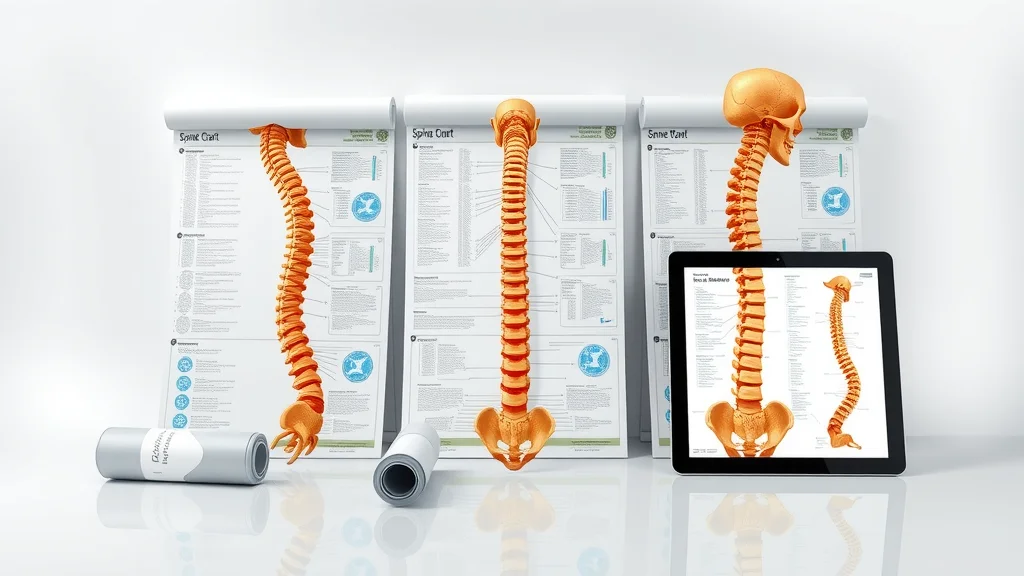
When selecting the best spine chart with nerves, material quality and lamination matter. Durable lamination protects the chart from frequent handling, stains, and environmental wear—vital for classrooms and busy clinics. Additionally, charts should offer high-resolution images with vibrant, differentiated coloring for quick identification of nerve anatomy and clear labels at each vertebral level. Opt for anti-glare surfaces for maximum readability in every lighting condition.
The most effective charts balance physical sturdiness with visual clarity. A laminated poster or a well-lit digital version helps enforce best-learning practices and ensures that detail remains sharp even after years of frequent use, making them cost-effective tools for ongoing continuing education.
Updated Spinal Nerve and Nervous System Information
Advances in science bring new insights about spinal nerve anatomy every year. The ideal spine chart with nerves will reflect the latest research, presenting up-to-date anatomical knowledge, newer medical illustrations, and clear examples of nerve distributions and organ connections—such as the link between thoracic nerves and the bronchial tubes or adrenal cortex.
Check that your chart features contributions from leading experts, includes concise, accurate labeling, and provides enough detail to benefit not only beginners but seasoned professionals seeking to refresh their understanding of the nerve system. Digital versions often allow updates as knowledge evolves, offering even greater longevity and value.
Usability for Education, Clinics, and Home Settings
Versatility is a hallmark of the best spine chart with nerves. Choose a design that supports learning in classrooms, quick reference in clinics, or self-education at home. Charts formatted for mounting, framing, or digital display ensure easy accessibility. Consider portability—smaller cards are ideal for quick consults, while large wall posters command attention during patient or student discussions.
Whatever your setting—be it a chiropractic center, physiotherapy studio, college lecture hall, or your living room—a clear, user-friendly chart enhances practical knowledge and brings anatomical concepts vividly to life, bridging the gap from textbook to real-world application.
How to Choose the Right Spine Chart with Nerves for Your Needs
Size and format: Choose between poster, quick-reference card, or interactive digital versions for portability and clarity
Relevance to your study or specialty: Consider needs for neurology, physiotherapy, or chiropractic care
Presence of nerve anatomy, detailed labeling, and real images: Ensures anatomical accuracy for effective learning and communication
Price and quality balance: Weigh cost against lamination, size, and authority; watch out for very low offers which may mean compromised clarity or out-of-date content

Video Walkthrough: How to Read a Spine Chart with Nerves
Top-Rated Spine Chart with Nerves: Features, Prices, and Reviews
Independent Reviews: What Users and Professionals Say
“Switching to a high-detail spine chart with nerves transformed my clinical explanations for patients. Highly recommended!” – Dr. A. Nguyen, Chiropractor
Both seasoned clinicians and students consistently praise anatomically correct, visually engaging charts for enhancing understanding and improving communications. Customers particularly note the difference in patient confidence and clarity during consultations. Highly rated charts often outpace competitors on durability, depth of information, and ease of use, justifying a modestly higher price point in exchange for years of reliable service over lower price alternatives with outdated or blurry images.
Comparing Popular Brands: Table of Features and Prices
|
|
|
|
| Brand Comparison – Features, Detail Level, and Value |
Brand | Size/Format | Lamination | Info Detail Level | Content | Avg. Price ($) |
|---|---|---|---|---|---|
MedCharts Pro | 24″ x 36″ Poster | Yes | Advanced (color-coded, detailed) | Both | 49.99 |
NeuroGuide | 18″ x 24″ Poster | Yes | Intermediate | Print Only | 32.50 |
Atlas Digital | Digital Tablet App | N/A | Expert (latest updates) | Digital | 39.00 (annual) |
Video Guide: Applying a Spine Chart with Nerves in Patient Education
Watch a leading clinician explain practical strategies for leveraging the spine chart with nerves during consultations. The demonstration reveals how clear visual aids grow patient trust, facilitate quicker understanding of nerve root issues, and guide stepwise conversations about treatment or preventive care. Using a chart transforms complex anatomy into actionable, relatable insight for every patient visit.
FAQs about the Spine Chart with Nerves
What information does a basic spine chart with nerves cover?
Most spine charts with nerves provide labeled vertebrae, major spinal nerves, nerve roots, and key organ or muscle connections. Look for versions with color coding for each nerve segment and overlays for nerve function.Can a spinal nerve chart help with self-diagnosis?
While a spine chart with nerves can help pinpoint where your symptoms might originate, always consult a healthcare professional for diagnosis and treatment. The chart is best used as an educational or communication tool.Is spinal nerve anatomy depicted in high detail?
The best charts display fine-grained nerve anatomy and label both nerve roots and branching connections. Select the version that matches your desired level of detail—academic or clinical.How does nerve anatomy relate to patient symptoms?
By mapping symptoms (such as pain, numbness, or weakness) to their anatomical source, a spine chart with nerves helps practitioners localize potential causes and plan effective interventions.
People Also Ask
What does a pinched nerve in your back feel like?
A pinched nerve, visible on a spine chart with nerves, often results in sharp, burning, or tingling pain radiating along the affected pathway. This discomfort underscores the importance of understanding spinal nerve mapping for swift identification.

What are the symptoms of L5 nerve root irritation?
Irritation of the L5 nerve root, illustrated on a spine chart with nerves, can cause pain, numbness, or weakness in the lower leg and foot. Reviewing spinal nerve anatomy on a chart can help target the origin and guide treatment.
What are the symptoms of spinal nerve damage?
Symptoms of spinal nerve damage include radiating pain, tingling, reduced motor skills, and altered sensation, all of which a spine chart with nerves can help contextualize for diagnosis.
What are the symptoms of C2 C3 nerve root compression?
Compression of the C2 or C3 nerve roots may present as headaches, neck pain, or tingling at the back of the head. The spinal nerve locations on a spine chart with nerves clarify symptom distribution.
Key Takeaways from Choosing the Best Spine Chart with Nerves
Spine chart with nerves enables clarity for practitioners and patients alike
A reliable spinal nerve chart improves health outcomes and communication
Selecting the right features maximizes value and application
Ready to Enhance Your Clinical Practice? Find the Perfect Spine Chart with Nerves Now
Take your patient education or personal knowledge to the next level—shop for the highest quality spine chart with nerves today. Discover the one that matches your practice, classroom, or home and unlock a deeper understanding of your body’s nervous system for years to come.
If you’re inspired to take a more active role in your spinal health or want to discuss your unique concerns with a professional, reaching out to a trusted chiropractor can be a powerful next step. The team at Keppler Chiropractic is ready to answer your questions and help you apply these insights to your personal wellness journey. Send a message to Keppler Chiropractic to start a conversation about your spinal health, explore tailored care options, and discover how expert guidance can make a lasting difference in your quality of life.
